DB WP Rarities Recap September 2026
13 oktober 2026 · Eduard Sangster & Wim Wiegant · 2388 × bekeken

It is time to relax a little after the hottest summer in the WP ever! Let’s hope autumn will be soothing, but exciting enough to bring us all the rare species we need. September brought quite a few species already, that’s for sure…! Let’s discuss them all… But, before we begin, we like to clarify some uncertainties about the borders of the Western Palearctic.
What does WP stand for...?
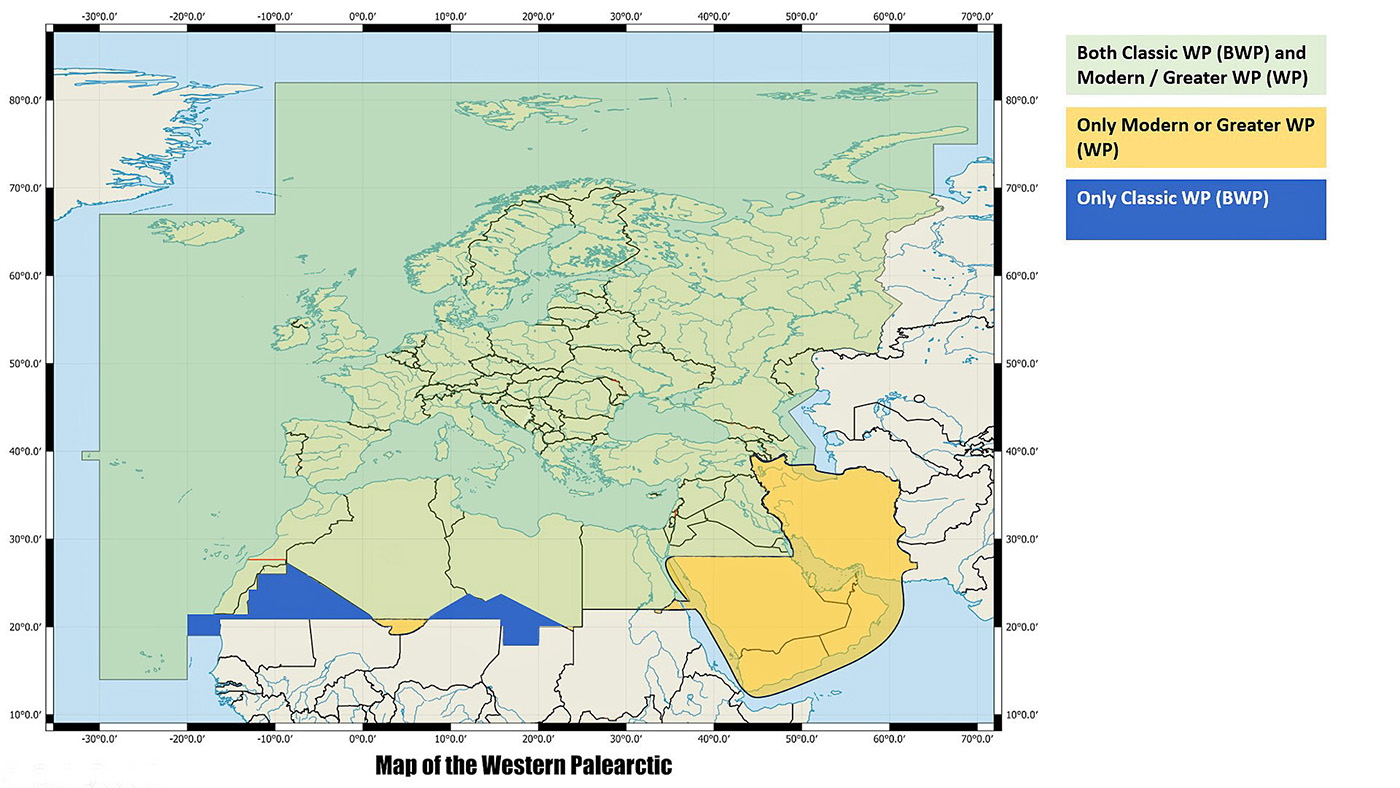
The WP refers to the area shown in green and orange on this map. The BWP refers to the area shown in green and blue, following the geographical boundaries used in The Birds of the Western Palearctic by Cramp & Simmons.
Overview
Azores
By late September, the first WP twitchers start heading for ‘the Rock’: Corvo, the northwesternmost island of the Azores archipelago. Do we bird around the village today, take a taxi uphill and bird our way down from the lighthouse, or stay in and around the crater? The choice matters, as mobile coverage is patchy and getting around on foot is slow, not least because hardly a square metre of ground is level. With luck, you’ll manage to twitch one bird a day. Sometimes this means spending an entire afternoon staring at a dense hedge with seeing just two Azores Chaffinches. But then, suddenly, a mega appears and the day turns out great. That is Corvo birding. Late September produced a Yellow Warbler, a Tennessee Warbler, a Black-and-white Warbler and two Northern Waterthrushes.
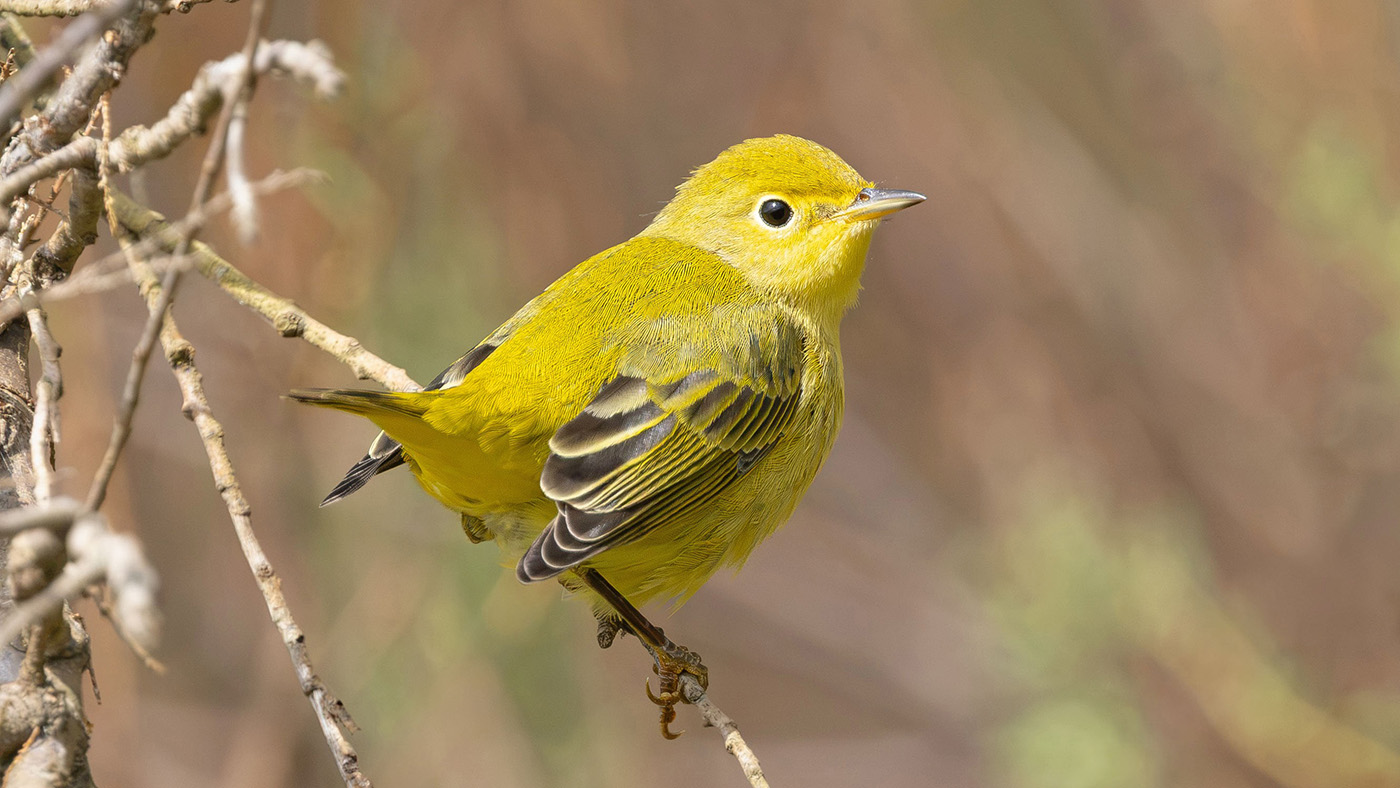 Yellow Warbler Setophage aestiva, Corvo, Azores, 26 September (Adrian Jordi)
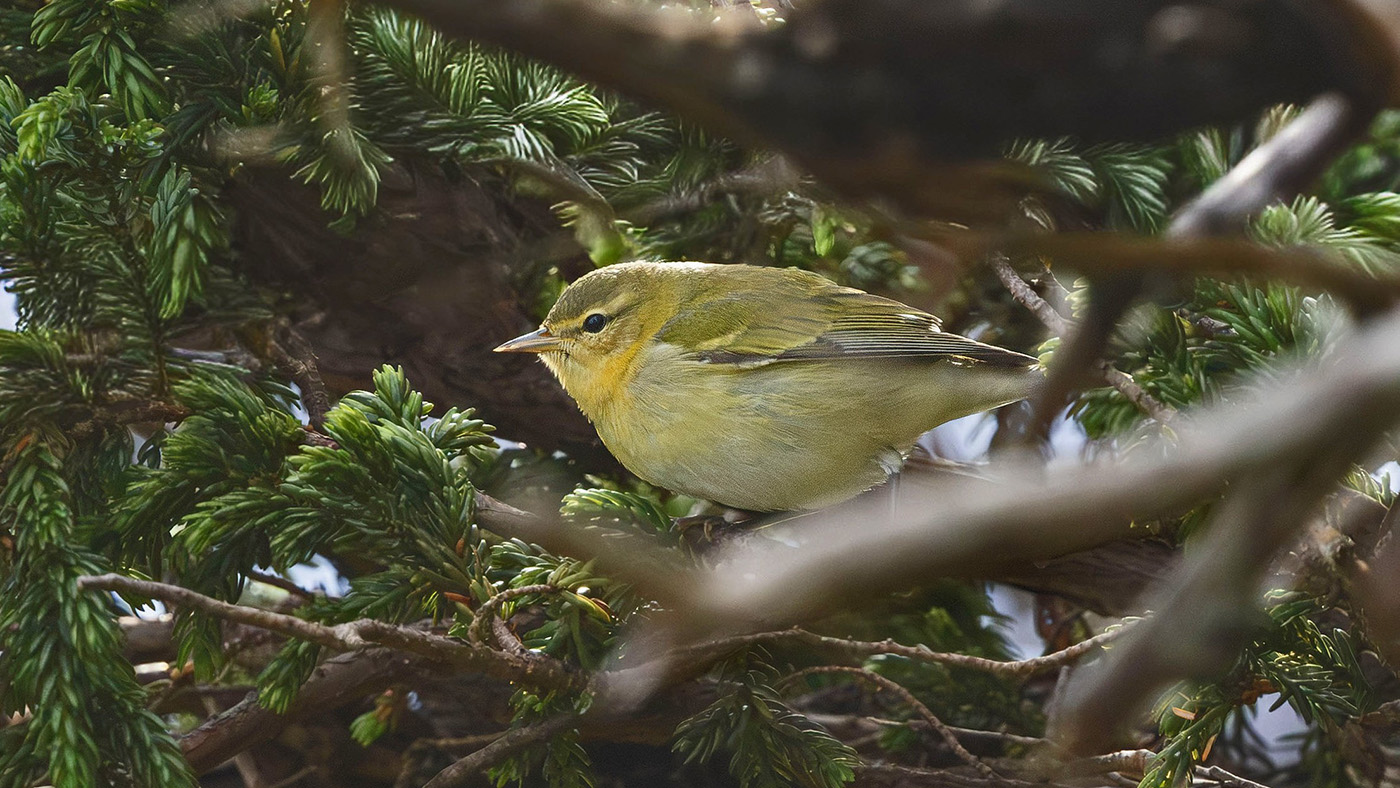 Tennessee Warbler Leiothlypis peregrina, Corvo, Azores, 25 September (Adrian Jordi)
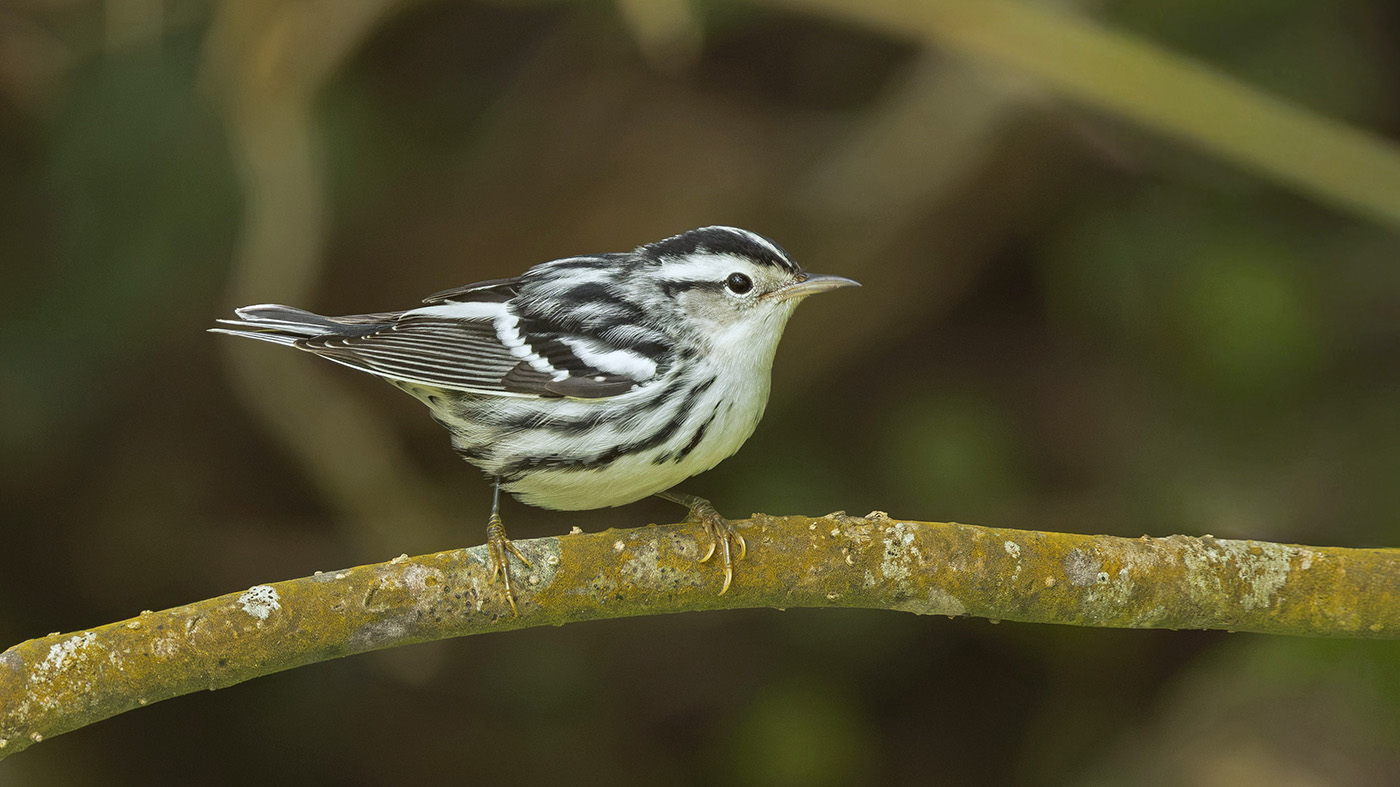 Black-and-white Warbler Mniotilta varia, Corvo, Azores, 25 September (Adrian Jordi)
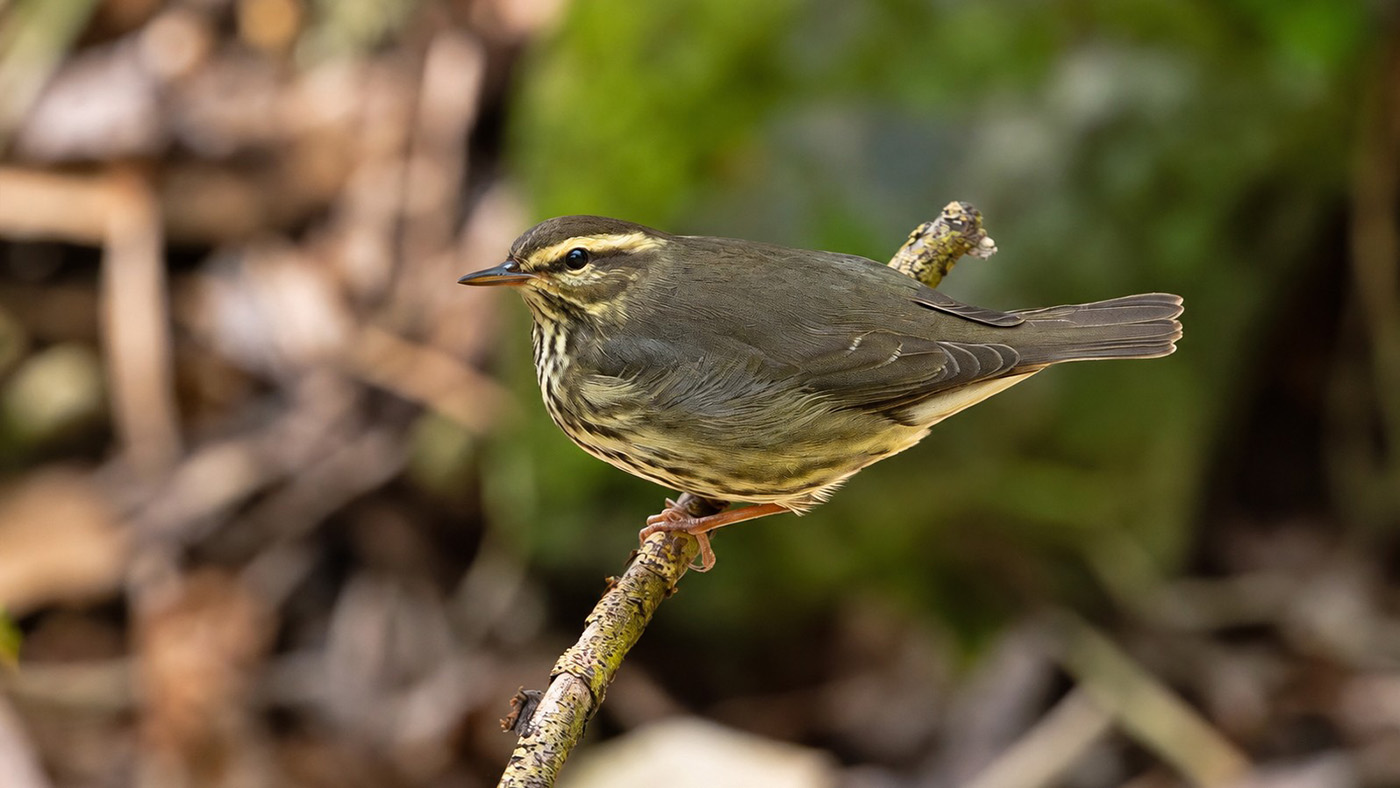 Northern Waterthrush Parkesia noveboracensis, Corvo, Azores, 22 September (Adrian Jordi)
Elsewhere at the Azores, a Common Nighthawk was picked up alive on Pico on 19 September. On the same day, a Green Heron was photographed on Graciosa. A Wilson’s Snipe was found on Terceira on 23 September, where a Least Sandpiper and a Semipalmated Plover were also present. The Wood Duck remained on São Miguel.
UK and Ireland
A few Irish birdwatchers asked us not to list them under - the geographically correct term - ‘British Isles’. Something with old grievances, we suppose…
An Egyptian Nightjar was seen on Shetland on 5-6 September. This unexpected mega represents only the third British record, following the notorious records of 1883 and 1984. It is also an exceptional rarity in western Europe, with previous records on Helgoland, Germany, in 1875, Gotland, Sweden, in 1972, and Christiansø, Denmark, in 1983. The sighting came only a few days after the publication in Dutch Birding of an article on the first record on Malta of the eastern subspecies plumipes of European Nightjar. As a result, the identification was – briefly – called into question. DNA was collected from the bird’s droppings, and an initial analysis points to the eastern (nominate) subspecies.
 Egyptian Nightjar Caprimulgus aegyptius, Pool of Virkie, Shetland, Scotland, 6 september (Michael Edgecombe)
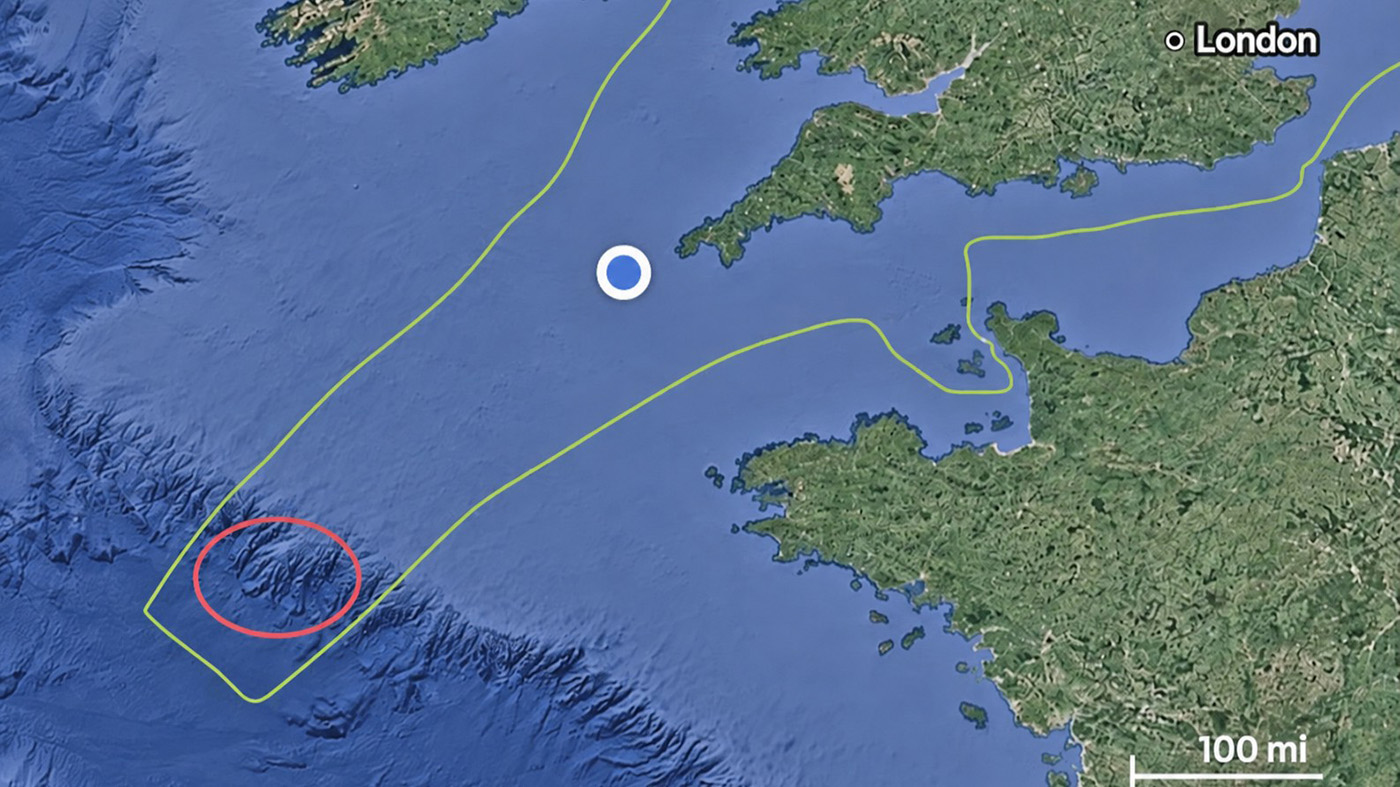 Figure 1. Map of the British Exclusive Economic Zone (greene line) and the visited area of the recent pelagic (red line), at the edge of the Continental Shelf, over the Dangaard and Explorer Canyons (Eduard Sangster)
On reaching the Explorer and Dangaard Canyons on 19 September, conditions were perfect, with a strong southwesterly wind. What followed was an extraordinary 90 minutes, producing a South Polar Skua, a Madeiran Storm Petrel, a probable Desertas Petrel, a Barolo Shearwater, a Scopoli’s Shearwater and, as the absolute highlight, a White-faced Storm Petrel. This was only the second British record, following a bird picked up alive in Scotland in 1897. The following days were less intense, with ‘only’ another two Barolo Shearwaters.
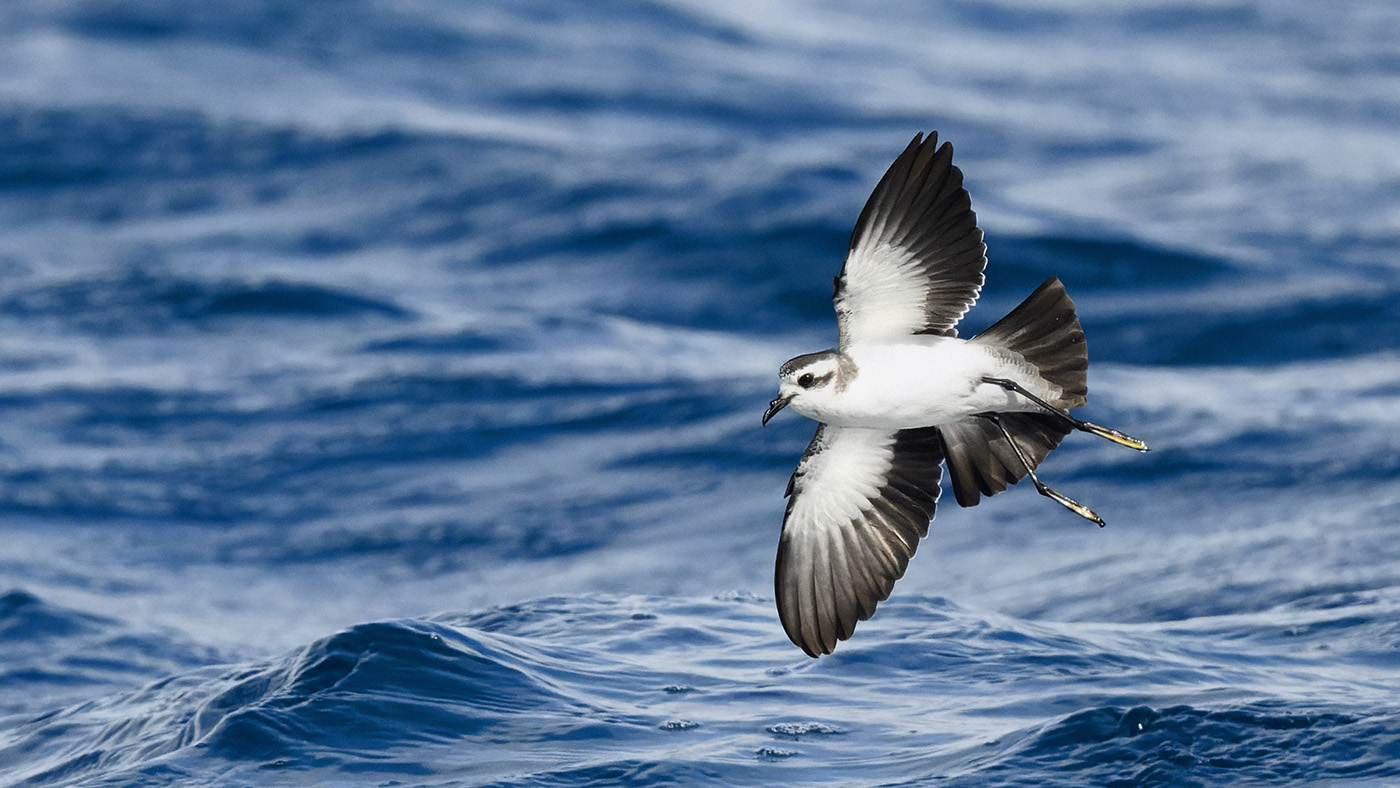 White-faced Storm Petrel Pelagodroma marina, Dangaard Canyon, Atlantic Ocean, UK, 19 September (Thomas Willoughby)
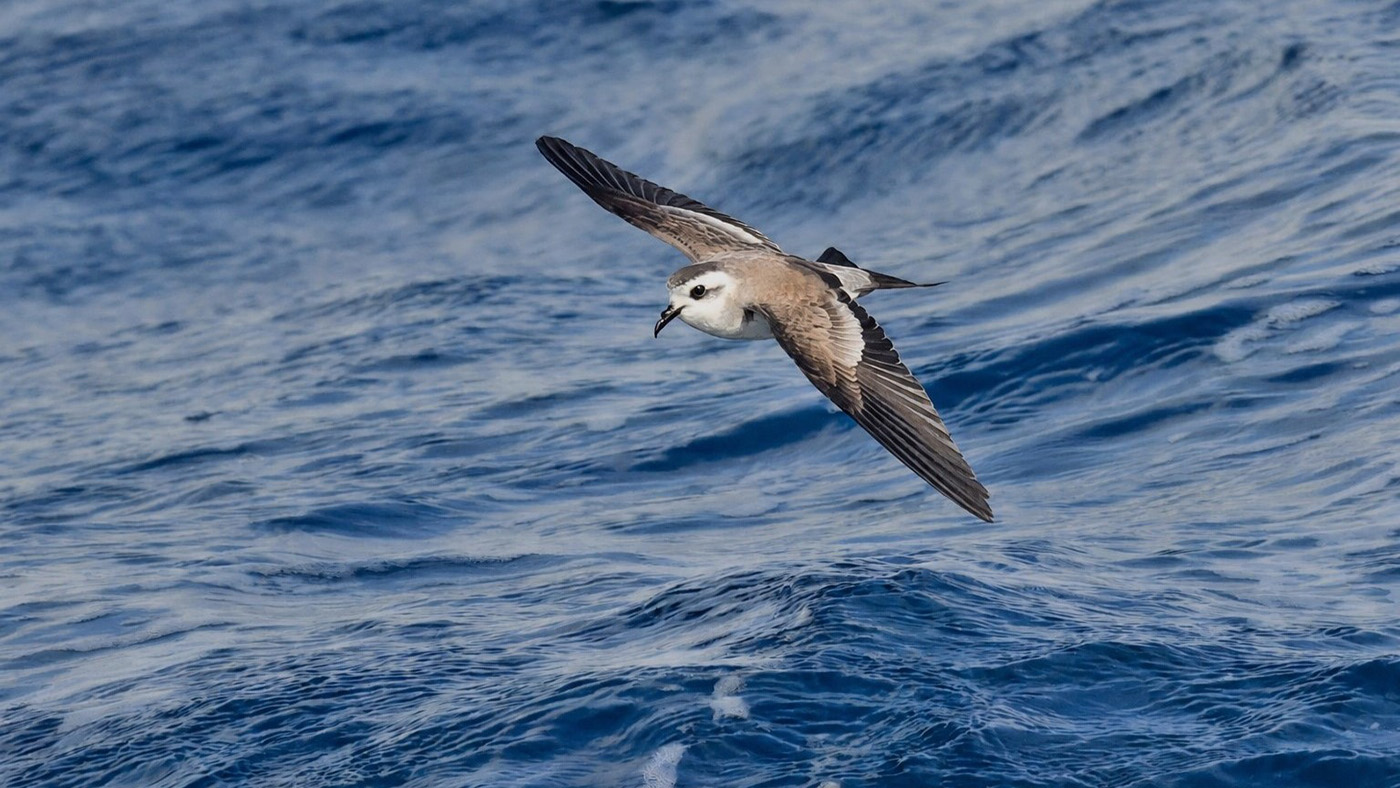 White-faced Storm Petrel Pelagodroma marina, Dangaard Canyon, Atlantic Ocean, UK, 19 September (Thomas Willoughby)
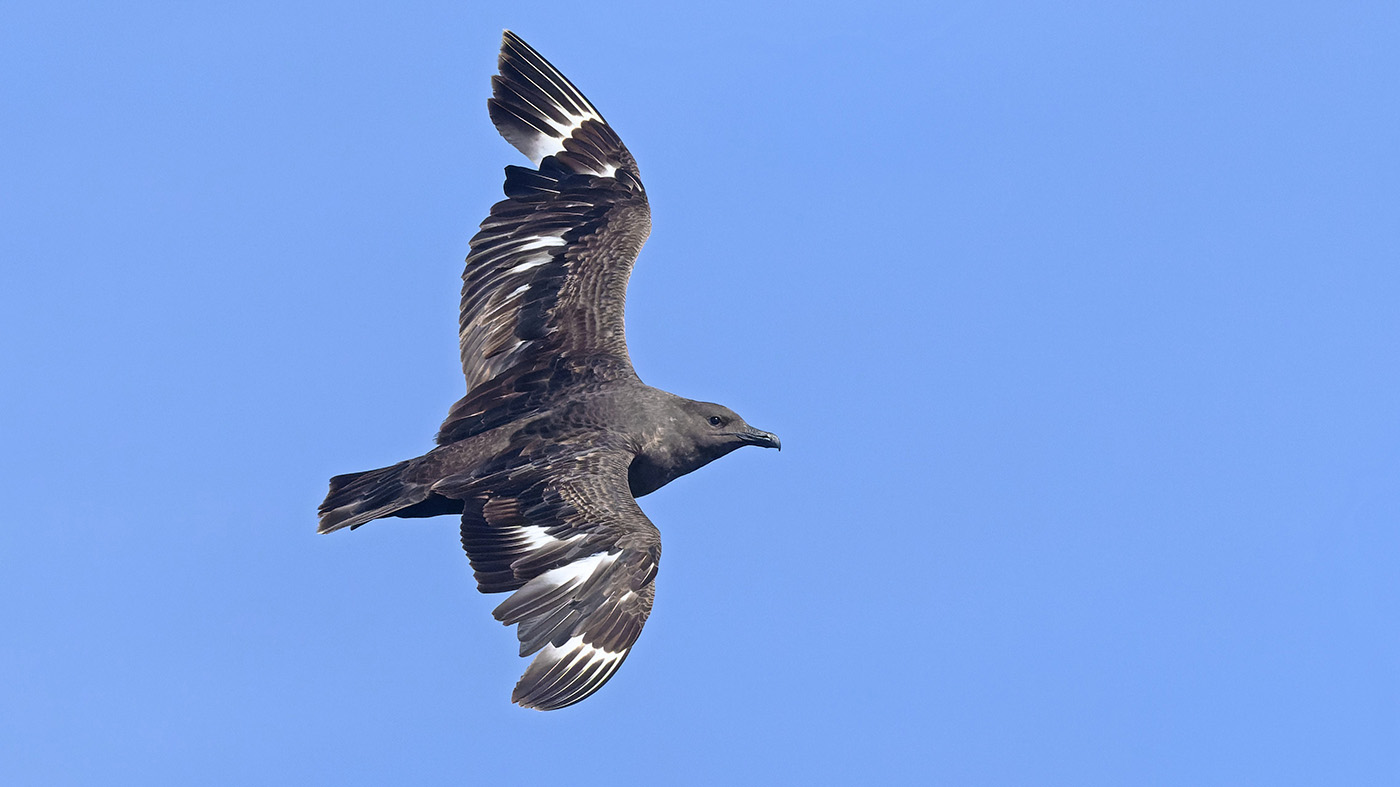 South Polar Skua Stercorarius maccormicki, Dangaard Canyon, Atlantic Ocean, UK, 19 September (Thomas Willoughby)
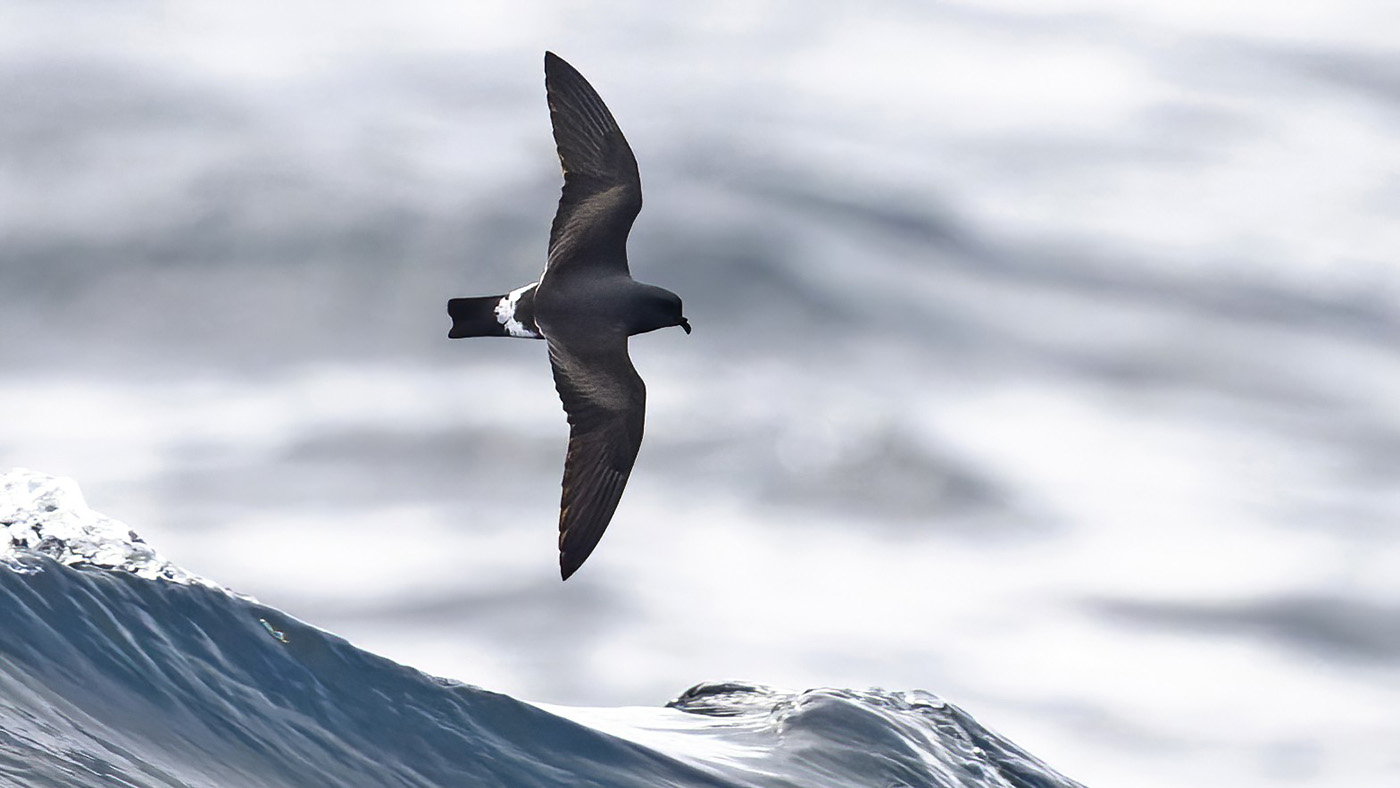 Madeiran Storm Petrel Hydrobates castro, Dangaard Canyon, Atlantic Ocean, UK, 19 September (Thomas Willoughby)
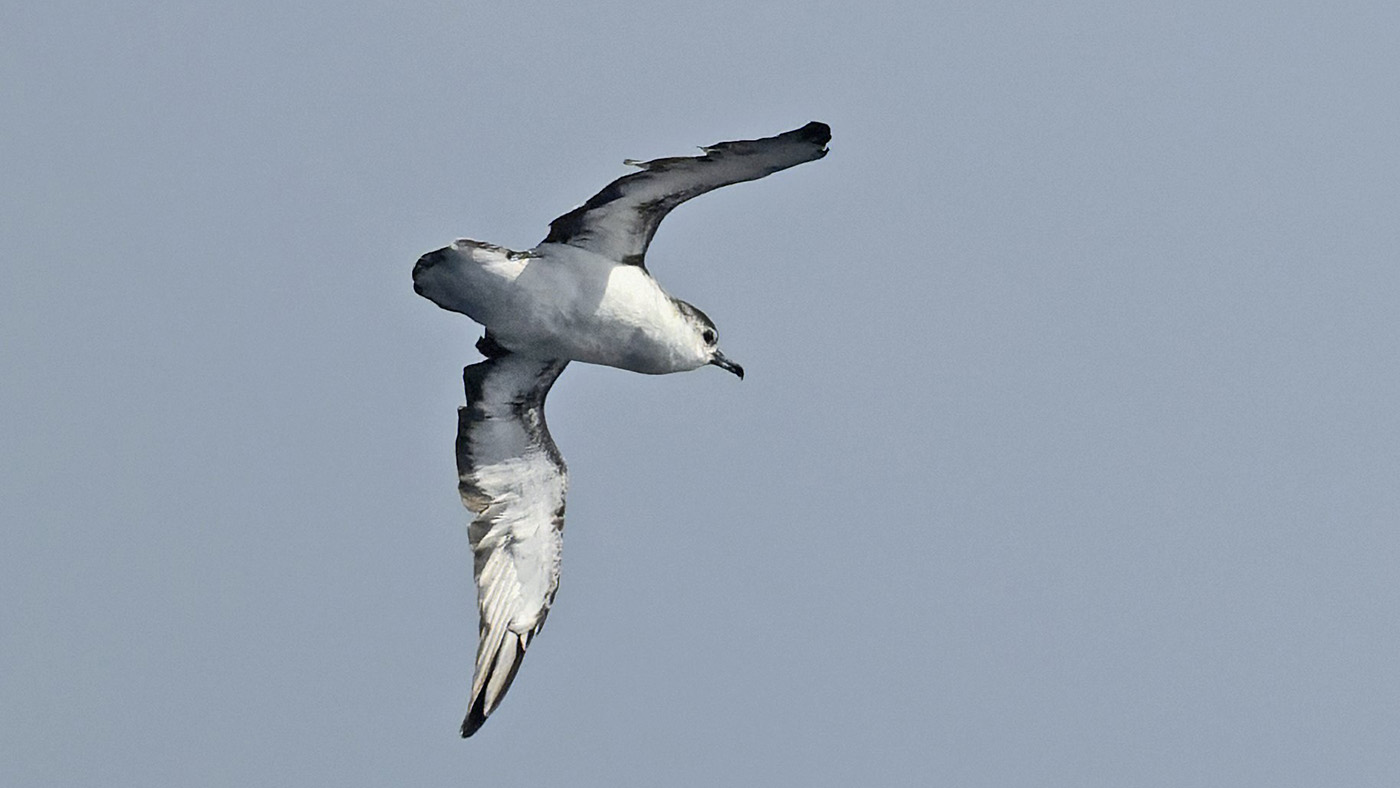 Barolo Shearwater Puffinus baroli, Dangaard Canyon, Atlantic Ocean, UK, 19 September (Thomas Willoughby)
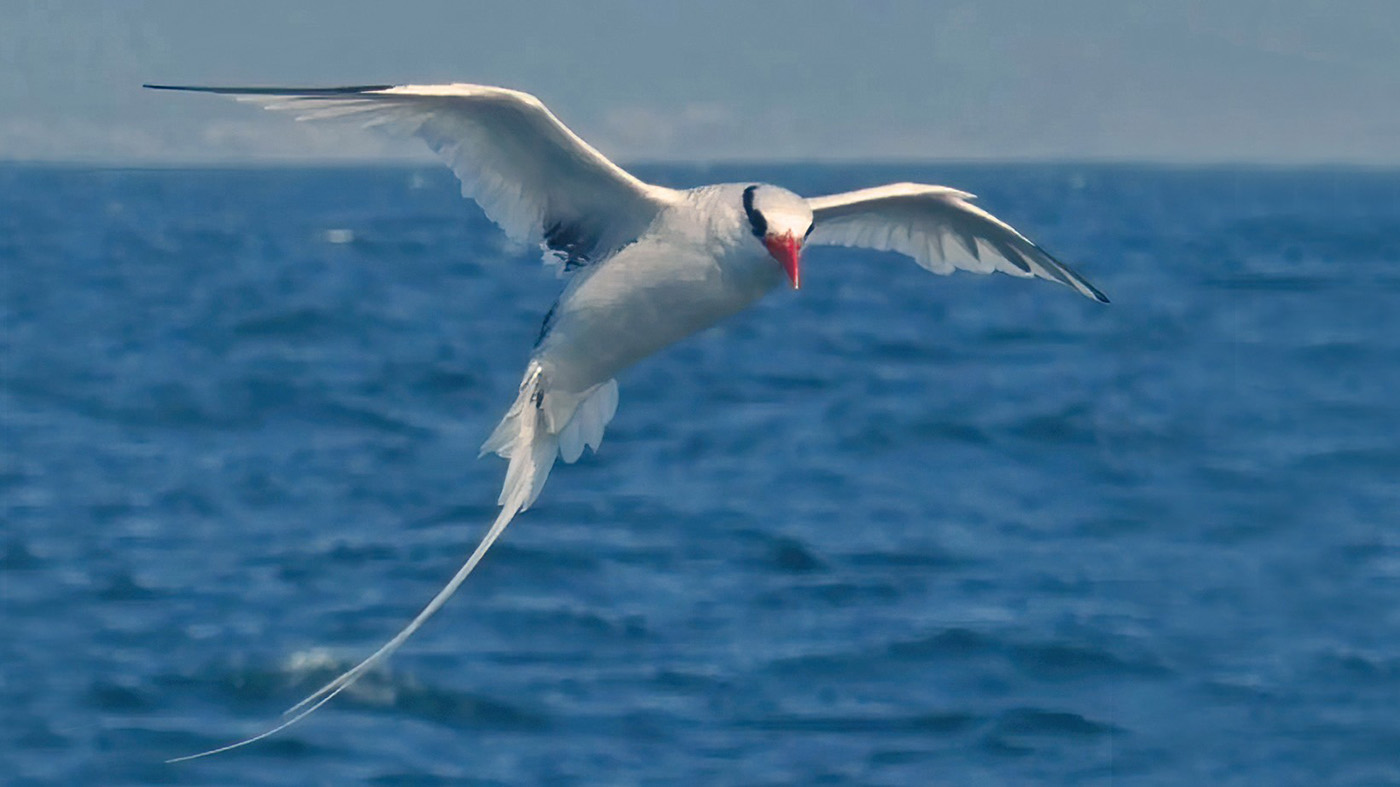 Red-billed Tropicbird Phaeton aethereus, Cornwall, England, 15 September (Amelia Frisby)
Cornwall enjoyed a particularly good month, with a well photographed, but short staying Short-billed Dowitcher on 14 September. This was only the fifth British record and the first adult ever recorded in Britain. A Red-footed Booby was seen in St Ives Bay, Cornwall, on 20 September, already the fourth British record. Brown Boobies passed the British east coast on 2, 6, 11 and 12 September, while another was seen in Cornwall on the 29th. On the Isles of Scilly, a Solitary Sandpiper was reported on Tresco from 2-15 September, while a rarely twitchable Upland Sandpiper was seen on St Agnes on 25-27 September. An influx of more than 60 Buff-breasted Sandpipers in the British Isles, as well as c 35 Baird’s Sandpipers, should not go unmentioned. No fewer than five American Pipits were reported from Scotland. The first Todd’s Canada Goose of the autumn was seen in central Scotland on 21 September. A few individuals of this subspecies of Greater Canada Goose are recorded in Ireland and Scotland annually. These are presumed to be wild birds originating from Greenland, making this the best possibility to add this species to your A-list within the WP. A Sykes’s Warbler was found at Girdle Ness, Scotland, on 30 September. The long-staying Long-tailed Shrike continued to show extremely well until 11 September. The adult male Hudsonian Godwit at Cattawade, Suffolk, was also last seen on 11 September. The highlight in Ireland this month was a first-year female Blackburnian Warbler, present on Dursey Island from 13-17 September. It represented the second Irish record, following the difficult-to-twitch bird in 2023.
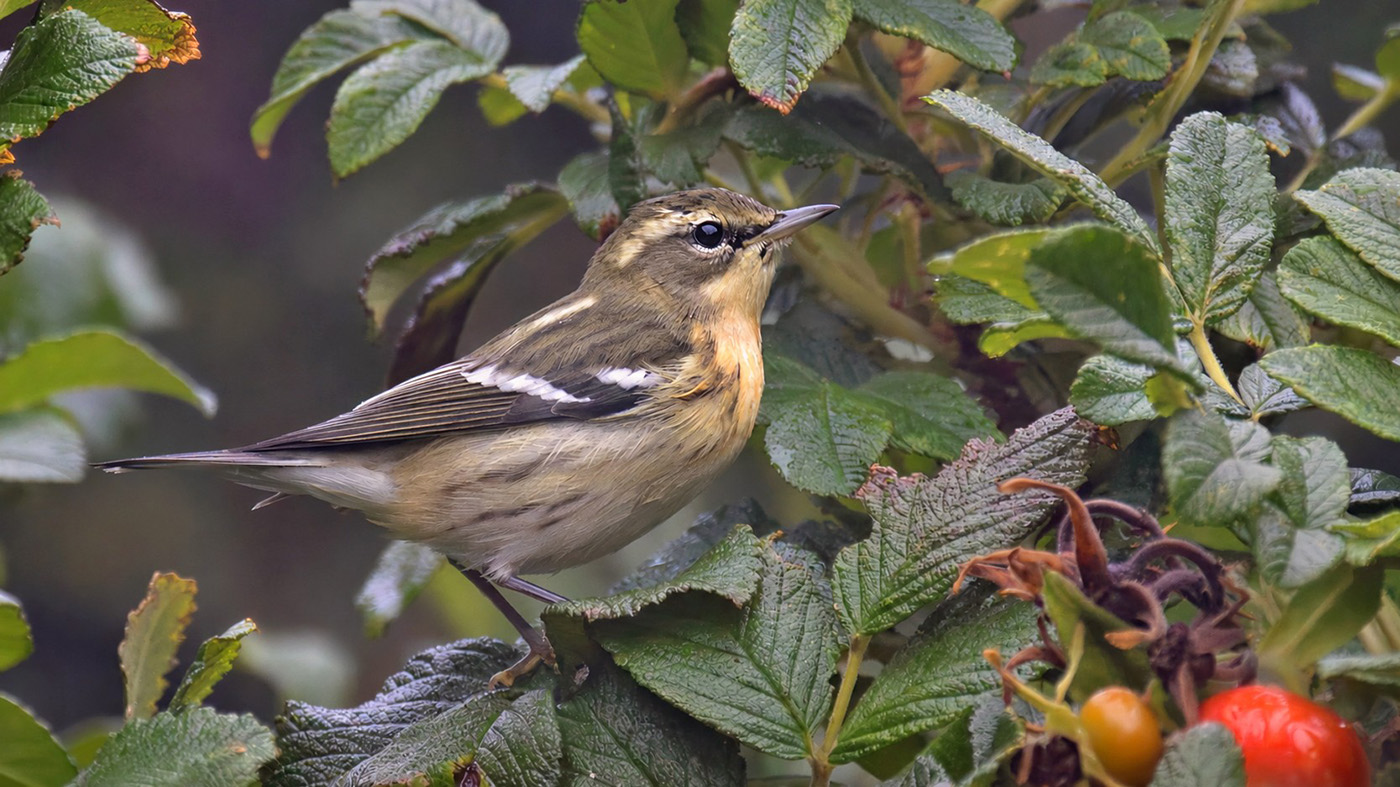 Blackburnian Warbler Setophaga fusca, Dursey Island, Ireland, 14 September (Tom Shevlin)
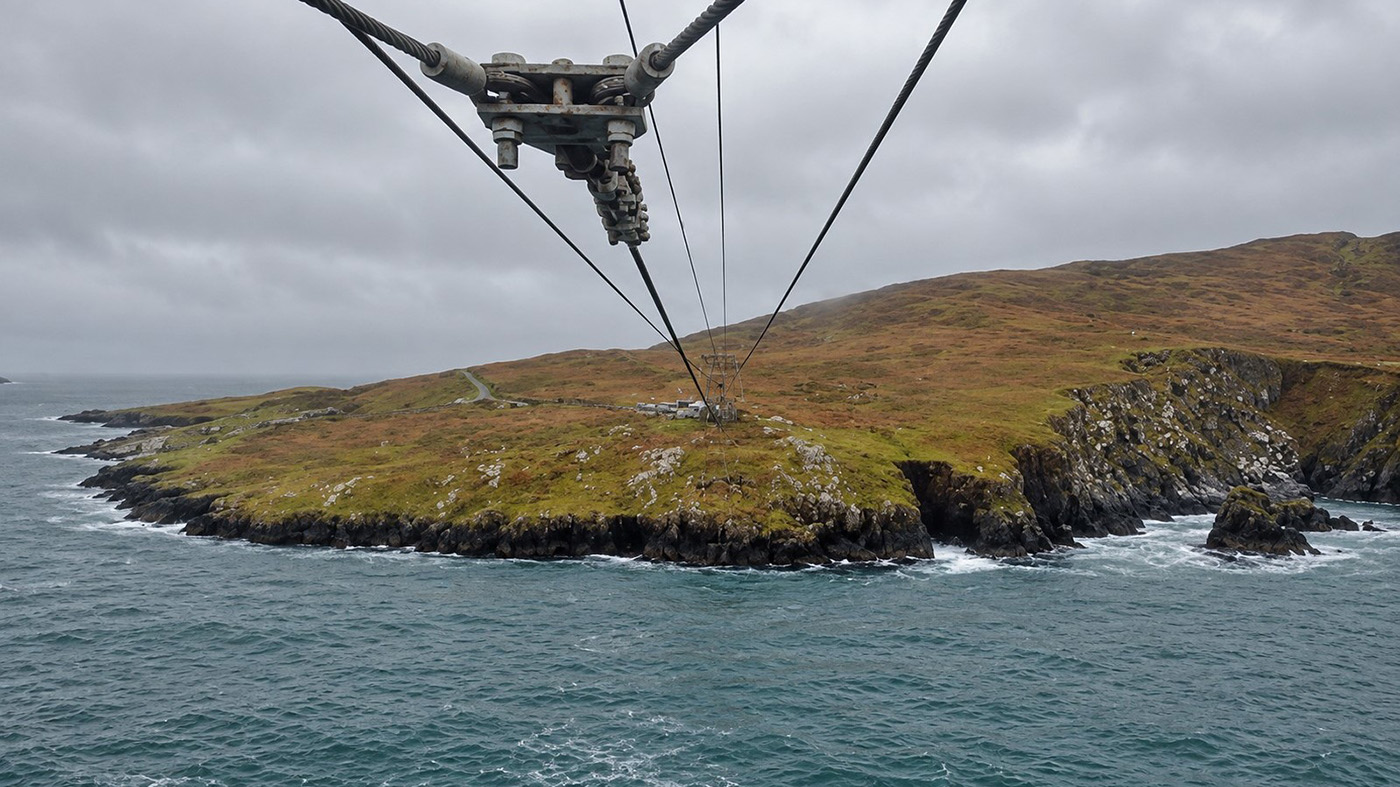 Cable car to Dursey Island, 9 November 2009 (Tom Shevlin)
Northern Europe
Iceland also enjoyed its share of American Pipits, with four individuals in total. The country’s second Short-billed Dowitcher remained at Höfn until 17 September.
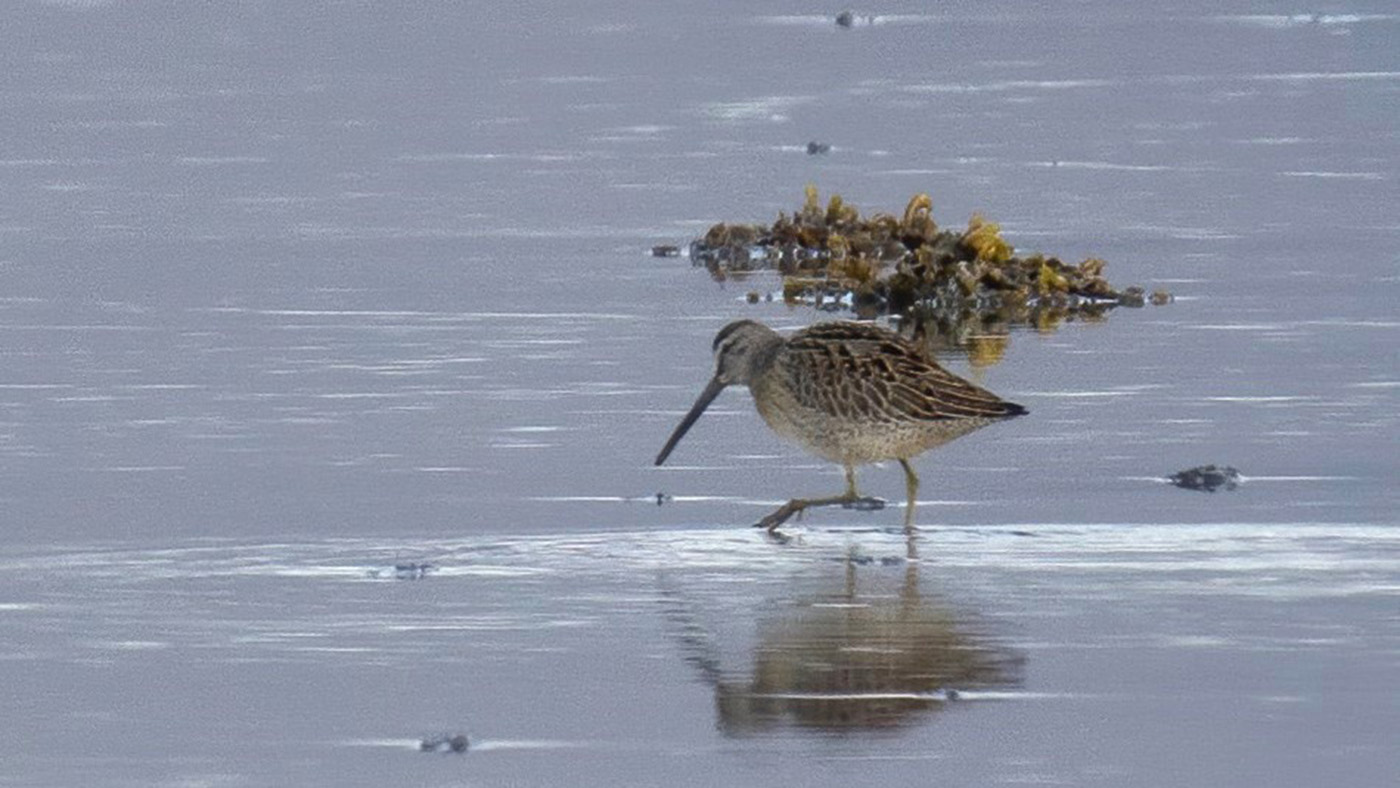 Short-billed Dowitcher Limnodromus griseus, Hofn, Iceland, 9 September (Gaukur Hjartarson)
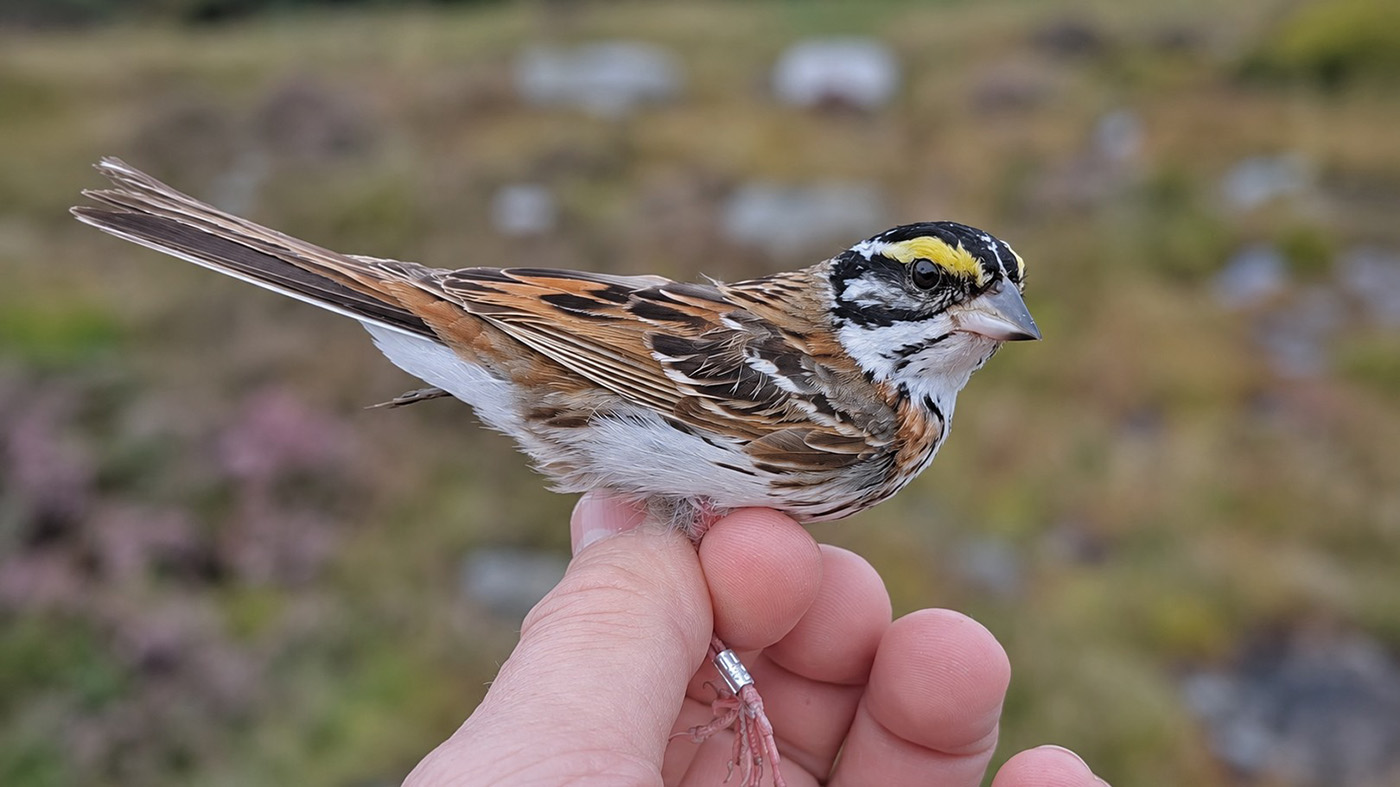 Yellow-browed Bunting Emberiza chrysophrys, Utsira, Norway, 11 September (Øystein Birkeland Nilsen)
 Brown Booby Sula leucogaster, Mellby, Sweden, 5 September (Stefan Hage,Birds.se)
The Netherlands
The Dutch bird of the month was a Great shearwater, photographed by a single observer during a sightseeing cruise in the harbour of Rotterdam on 30 September. When the sighting was reported the next day around 1 p.m. a mass search started, as the species had never been twitchable before in the Netherlands and was therefore a new bird for most. Two hours later the bird was relocated, nine kilometres (!) to the west. It was seen from 3 p.m. until after dark by approximately 600 birders.
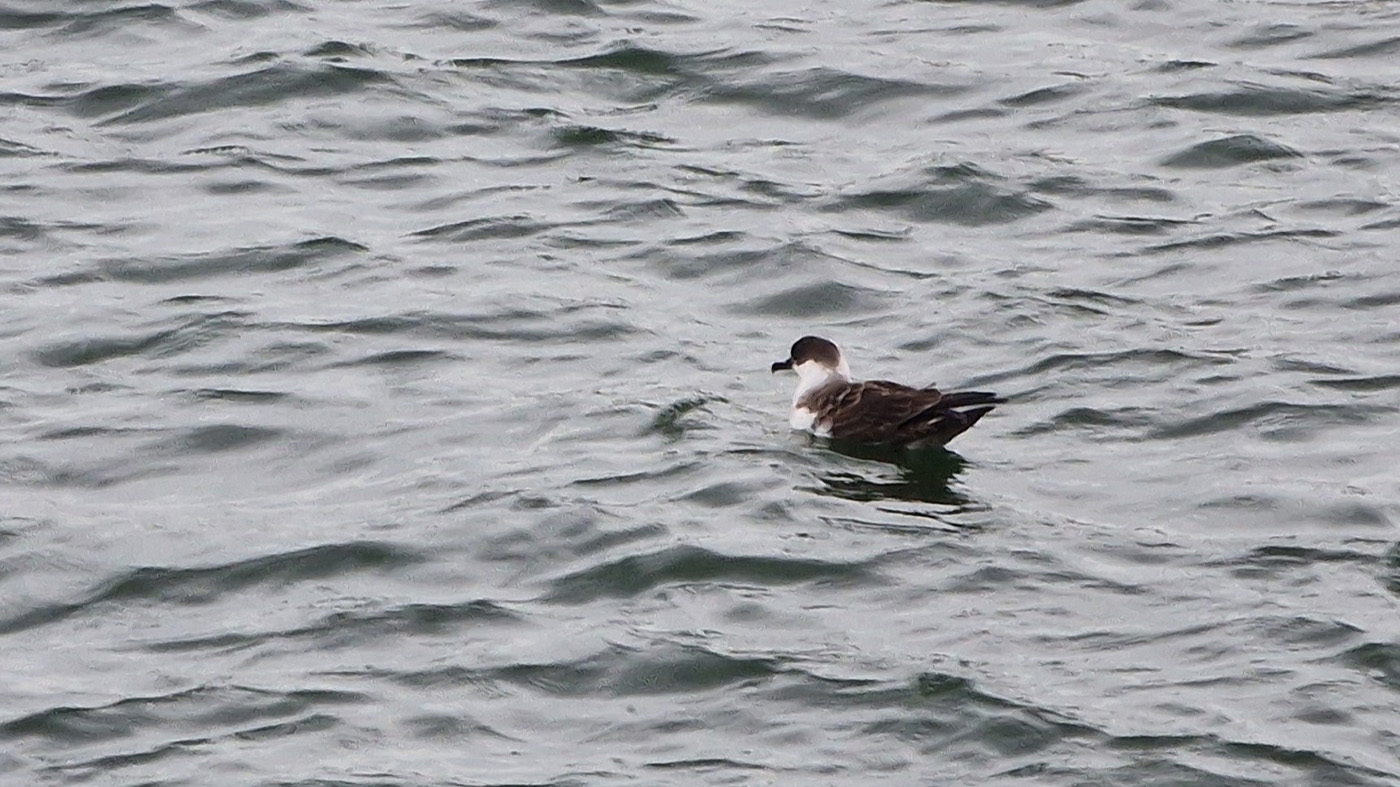 Great Shearwater Ardenna gravis, Rotterdam, the Netherlands, 30 September (Joost de Kurver)
A fascinating duo of White-throated Sparrows, one of the white, and the other of the tan morph, were present at the Maasvlakte on 29 september until 1 October. It constituted the first multi-bird occurrence of this species on WP soil. Two British records of multiple White-throated Sparrows were on ships at sea.
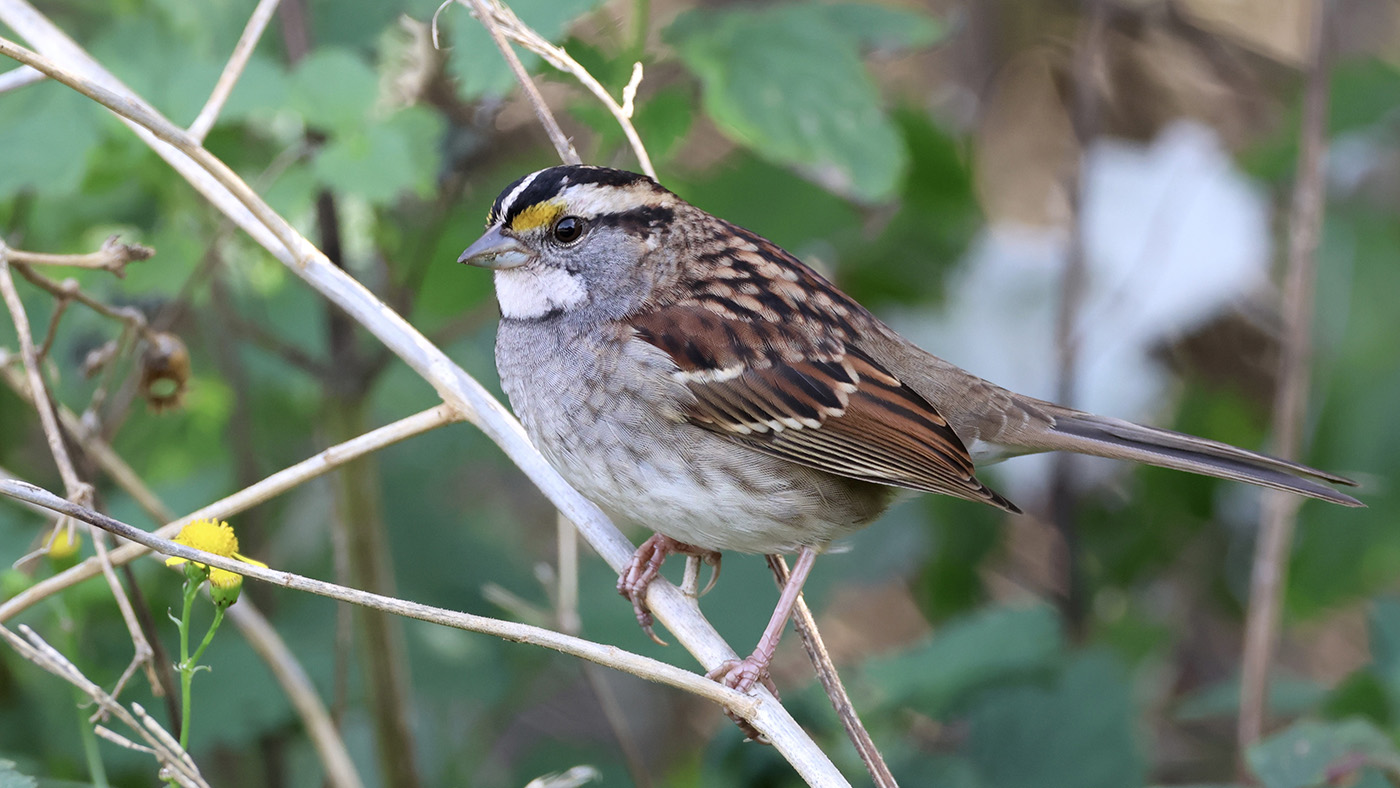 White-throated Sparrow Zonotrichia albicollis, Rotterdam, the Netherlands, 30 September (Rob Halff)
Above the white morph, below the tan morph.
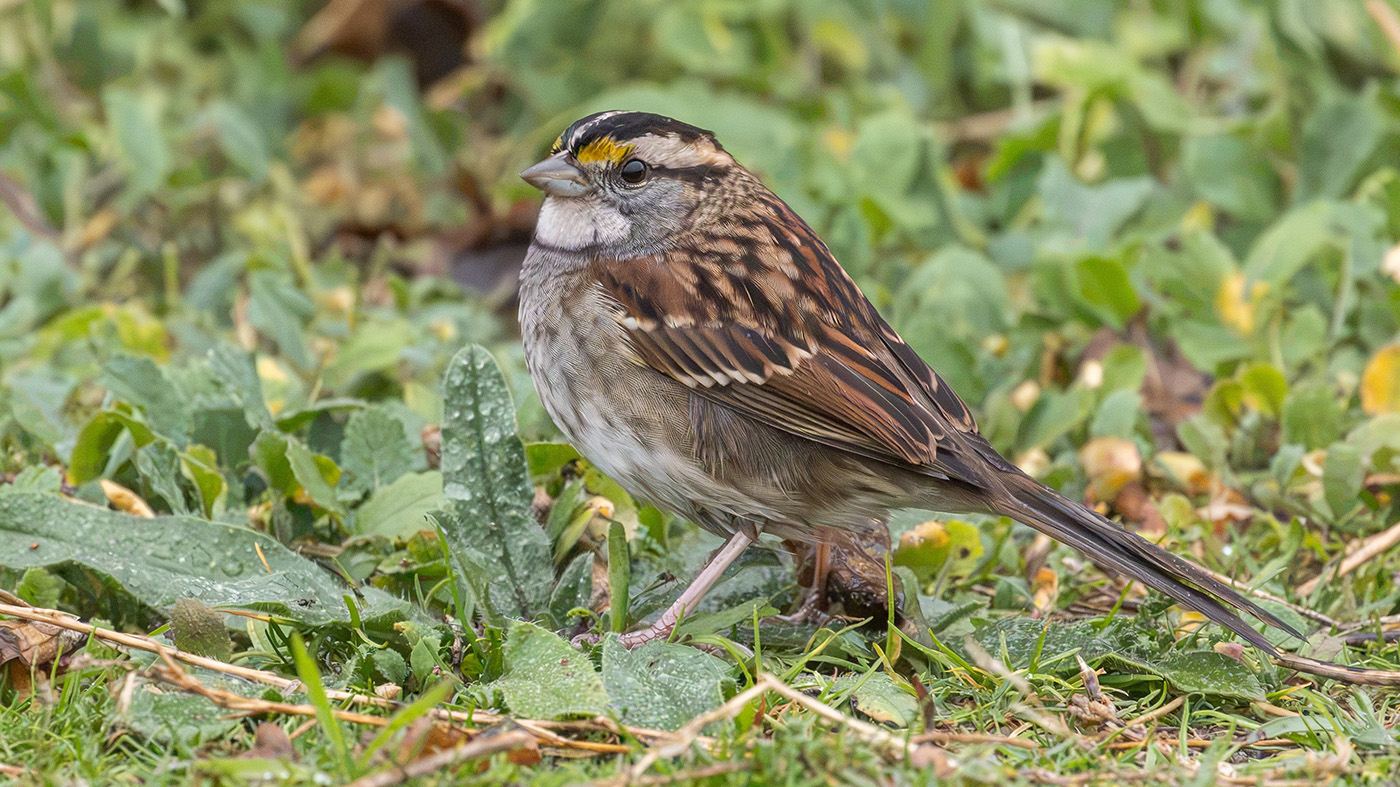 White-throated Sparrow Zonotrichia albicollis, Rotterdam, the Netherlands, 30 September (Jill Heeres)
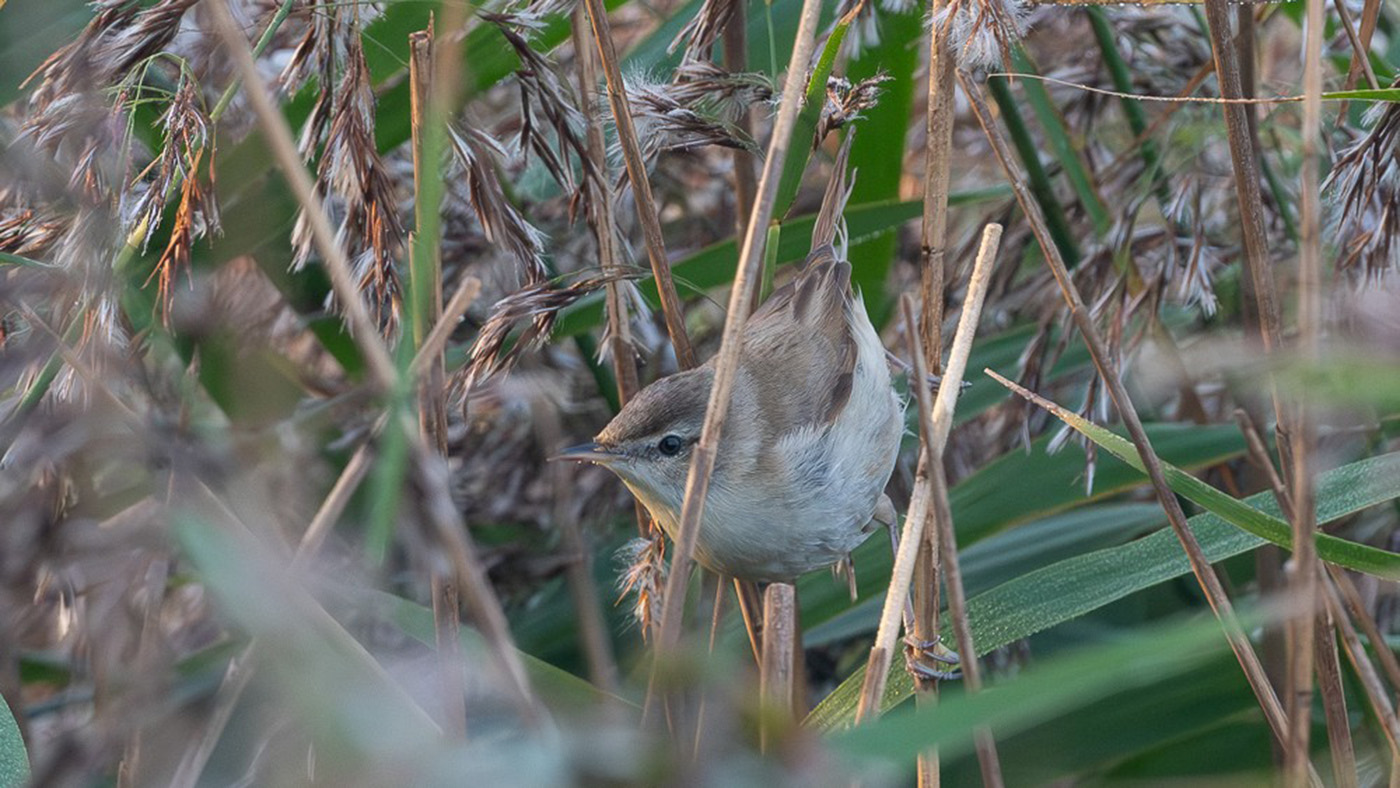 Paddyfield Warbler Acrocephalus agricola, Texel, the Netherlands, 26 September (Diederik Kok)
Only the fifth Lanceolated Warbler for the Netherlands was caught at a ringing station in Wassenaar on 27 September. The single field record constitutes a heavily twitched bird on 4 October 2016, all others were captured birds.
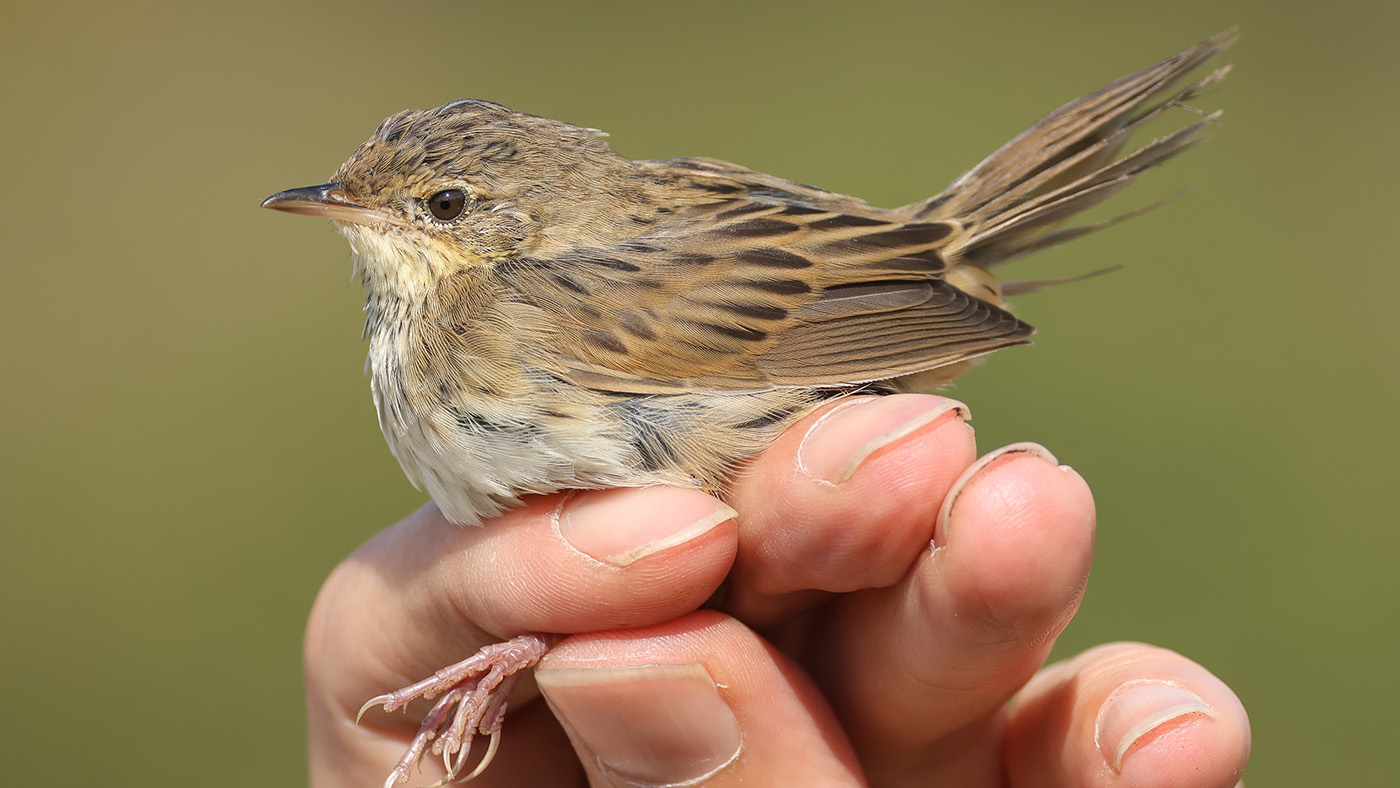 Lanceolated Warbler Locustella lanceolata, Wassenaar, the Netherlands, 27 September (Vincent van der Spek)
Eastern Europe
Poland’s fourth Levant Sparrowhawk was a juvenile trapped and ringed in the southeast of the country on 5 September.
Southern Europe
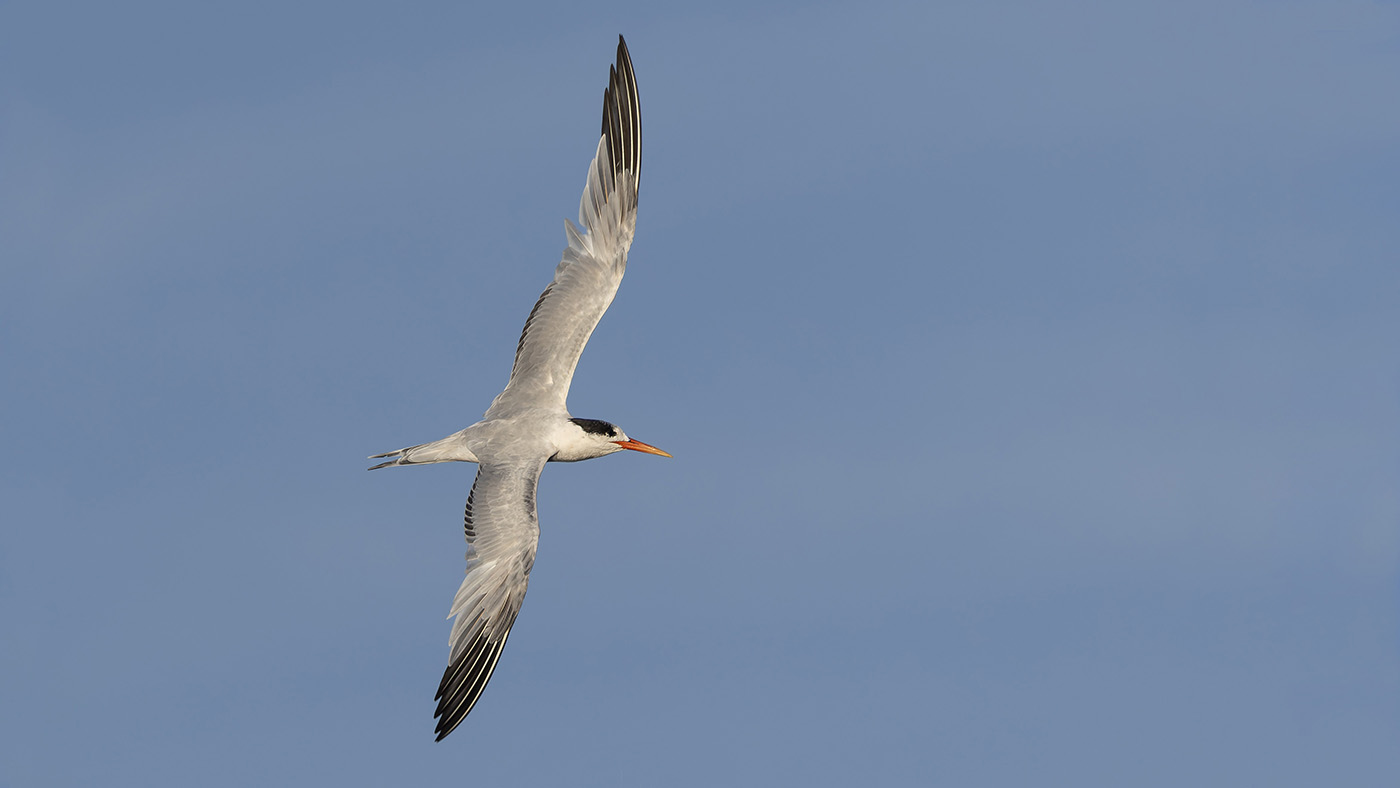
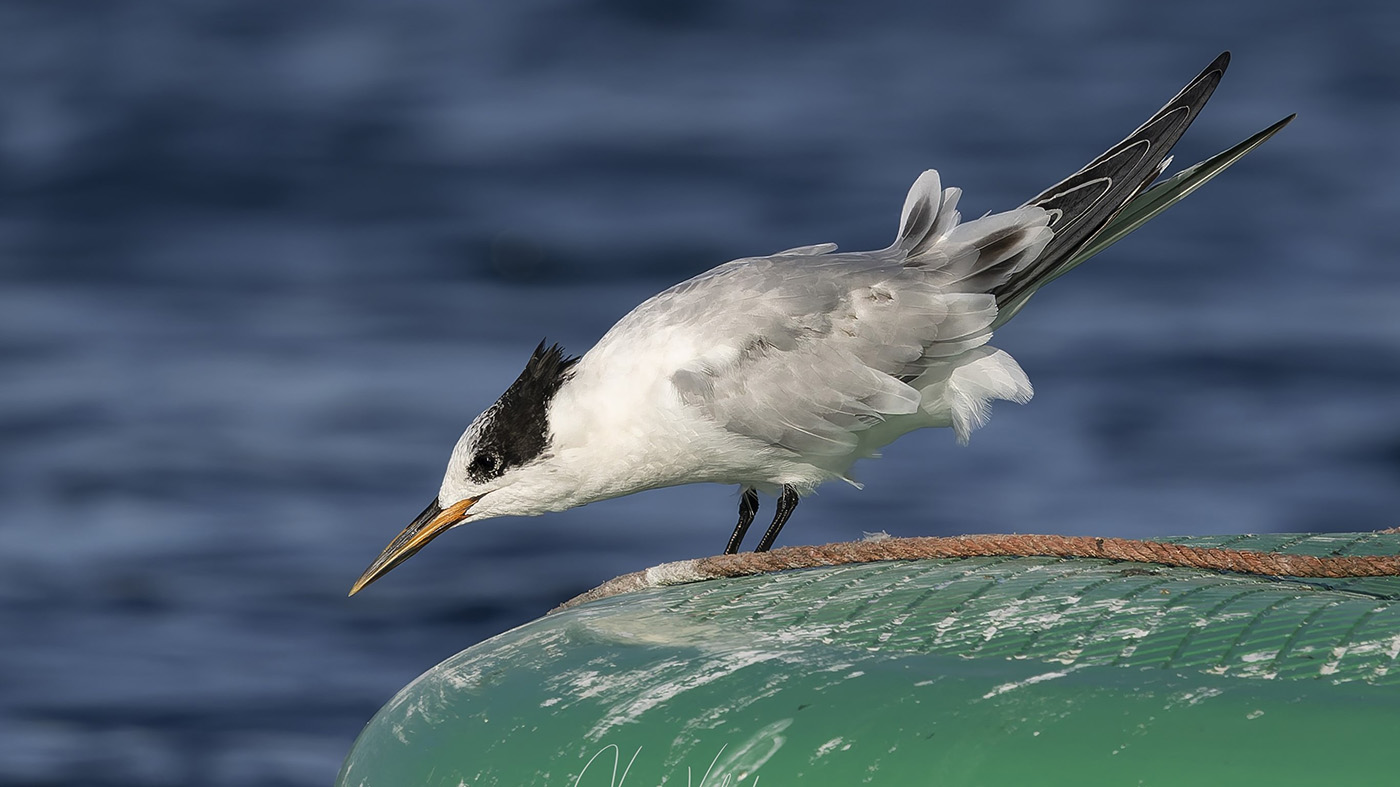
Two Elegant Terns were seen near Lisbon, representing only the third and fourth Portuguese records. The first bird was present from 14 September and is presumably the famous ‘Sterna 2’. First seen in France in 2003, ringed in 2005 and since 2008 summering on Île de Noirmoutier, near Brittany. It has also been reported from South Africa and England. It was accompanied by a juvenile Elegant x Sandwich Tern. A second adult was seen from 18 September. This was one of two pure Elegant Terns hatched on Île de Noirmoutier in 2021 (and not an offspring of Sterna 2). This bird, too, was accompanied by a juvenile Elegant x Sandwich Tern.
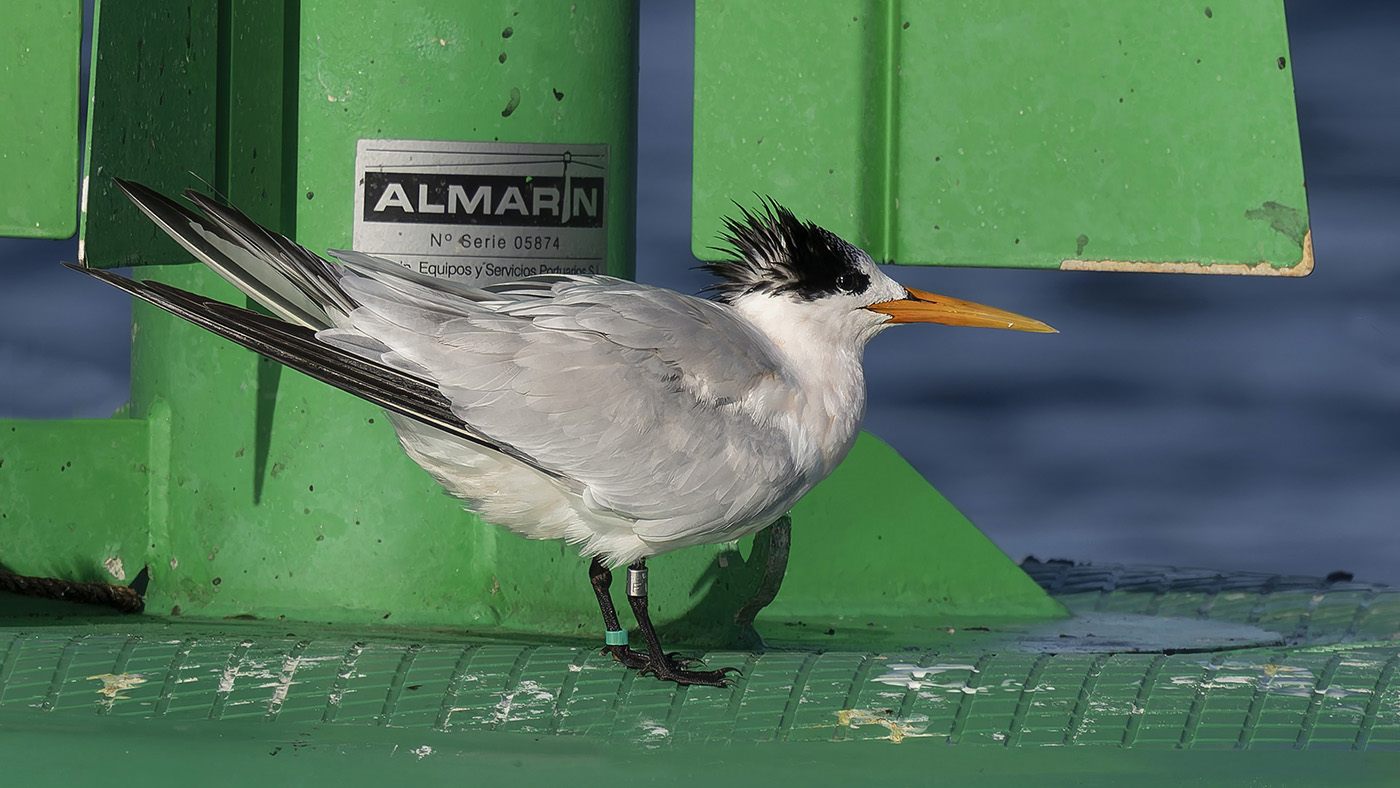 Elegant Tern Sterna elegans, ringed in France in 2005, Setúbal, Portugal, 18 September (Vasco Valadares)
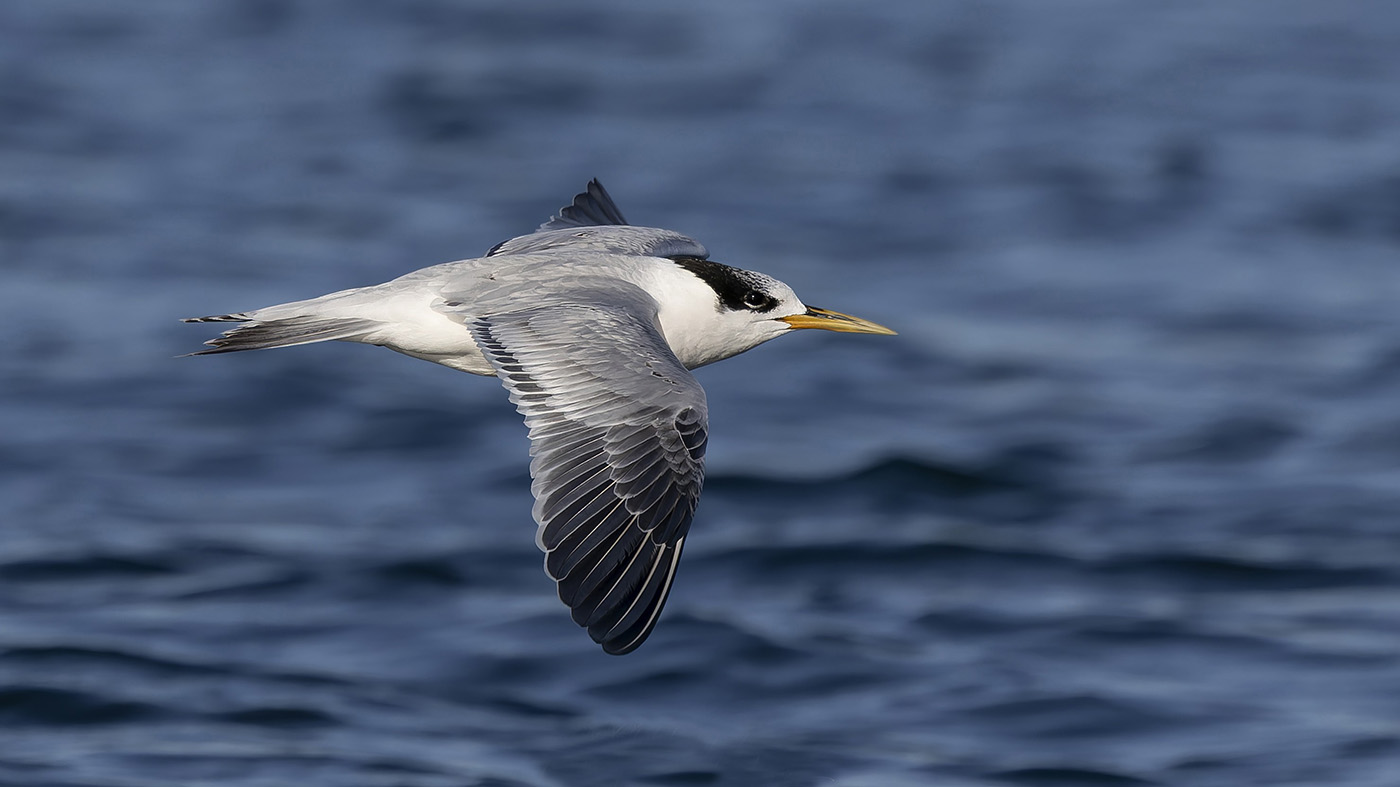 Elegant x Sandwich Tern Sterna elegans x S. sandvicensis, juvenile fed by adult 2005 bird, Setúbal, Portugal, 18 September (Vasco Valadares)
 Elegant Tern Sterna elegans, ringed in France in 2021, Setúbal, Portugal, 18 September (Vasco Valadares)
 Elegant x Sandwich Tern Sterna elegans x S. sandvicensis, juvenile fed by adult 2021 bird, Setúbal, Portugal, 18 September (Vasco Valadares)
A Solitary Sandpiper, Semipalmated Plover, Sora and two White-backed Vultures were reported from Spain. A Namaqua Dove at Tarifa and a Sudan Golden Sparrow at Gibraltar appear to point towards wild origins. On 21 September, a fine adult Rüppell’s Vulture was seen on Krk Island, representing the first record for Croatia. It may have been the same individual seen in Italy in late August. A first step has been taken towards the possible reintroduction of Common Buttonquail in Spain. Although widespread in Africa, the breeding programme involves the threatened subspecies sylvaticus, which now survives only in very limited numbers in Morocco.
Northern Africa
A Lesser Moorhen was present on Sal, Cape Verde, from 22 September. The southeastern coast of Egypt is the best place in the BWP to see Crab Plovers. More than 40 were recorded at Hamata Mangroves in late September.
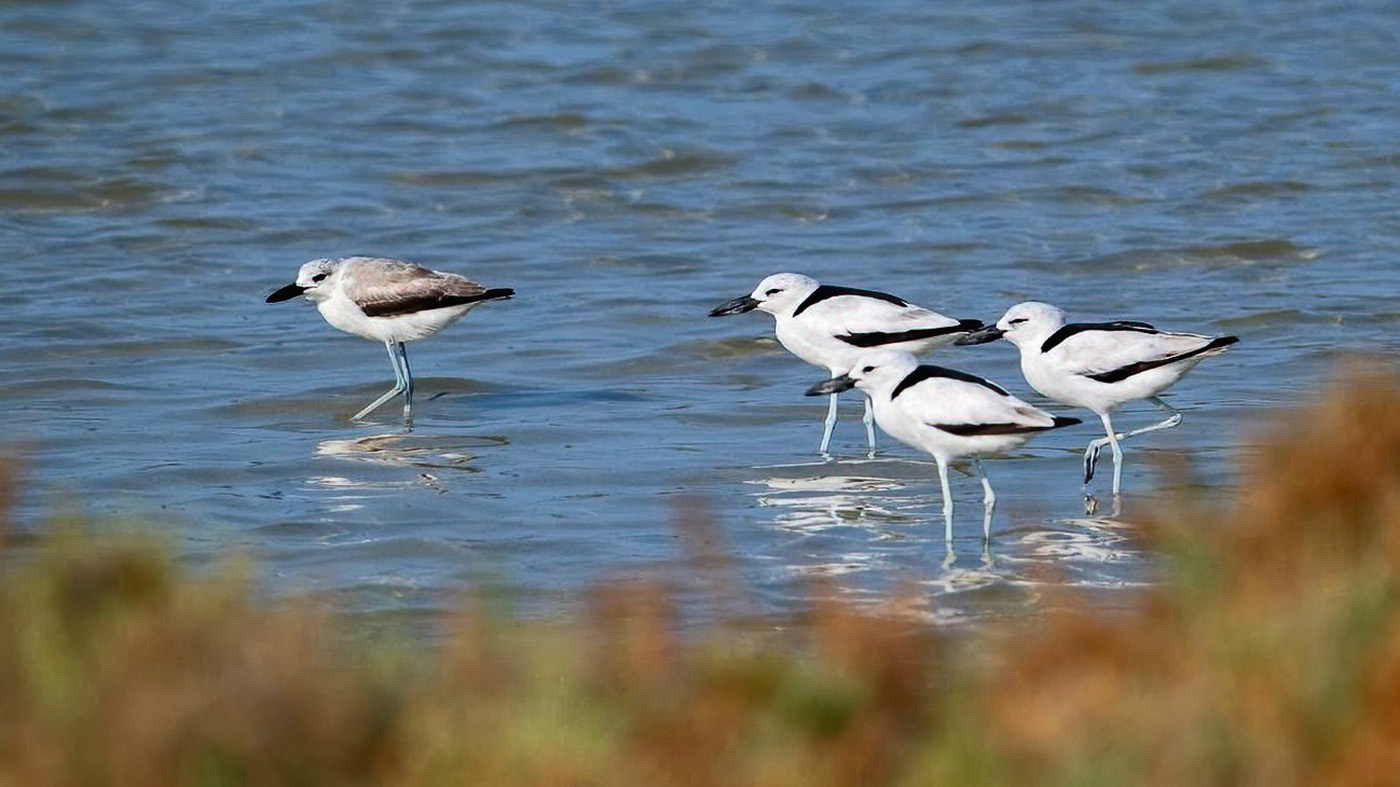 Crab Plover Dromas ardeola, Hamata Mangroves, Egypt, 23 September (Nick Bray)
The expansion of Reed Cormorant in Egypt continues steadily. No fewer than 14 individuals, most of them young birds, were counted during a boat trip near Aswan. Crimson-rumped Waxbill, which has been established in the extreme south of Egypt since March 2025, is also being recorded in increasing numbers along Lake Nasser. Fifteen birds were counted at Abu Simbel in late September.
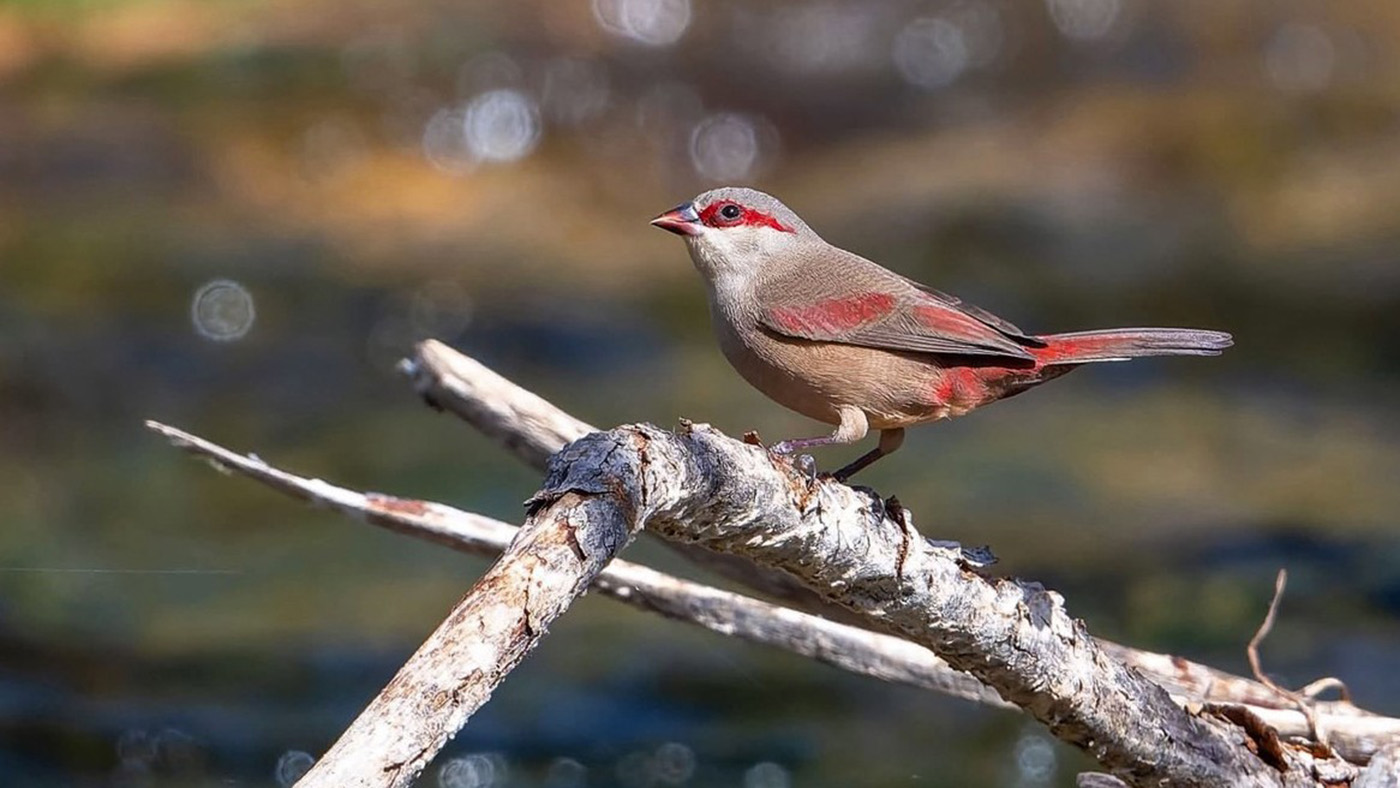 Crimson-rumped Waxbill Estrilda rhodopyga, Abu Simbel, Egypt, 28 September (Nick Bray)
Middle East
The Variable Wheatear remained in Kuwait until 5 September. Remarkably, Israel’s first Greenish Warbler was trapped at Sde Boker on 19 September.
 Greenish Warbler Phylloscopus trochiloides, Ben Gurion Park, Sde Boker, Israel, 19 September (Amir Ben Dov)
The Crystal Ball
Since the beginning of this year, we have been running our Crystal Ball series, offering a monthly outlook on what might turn up in the WP. Modest as we are, we would rather not blow our own trumpet. Of course not. So instead, here is a simple list of the species we have predicted that have actually turned up so far: White-winged Lark, Pallas’s Sandgrouse, Western Reef Heron, Hudsonian Godwit, Cape Verde Shearwater, Saker Falcon, Sykes’s Warbler and White-faced Storm Petrel.We all know that October is one of the most exciting months of the birding year. It is the month for American vagrants, including waders such as Semipalmated Plover and Killdeer, the latter being most likely between October and April. Naturally, we are dreaming of even rarer prizes, such as American Woodcock – the only WP record dates from October 2006, when one was shot in France. For American passerines, October is the absolute peak month. Prairie Warbler (Azores, 2012), Palm Warbler (Iceland, 1997) and Cerulean Warbler (Iceland, 1997) are among the mouth-watering species that have been recorded in the WP only in October. But, of course, we will also be keeping an eye out for American sparrows, a Yellow-bellied Sapsucker, Sora or Purple Gallinule, Yellow-billed Cuckoo – recorded almost exclusively in October – Black-billed Cuckoo, Mourning Dove and American Coot, which peaks from October to January. Or perhaps October will deliver a true mega, such as Western Kingbird – the only WP record was in the Azores in October 2018 – or, dare we say it, a Ruddy Duck. The only presumed wild WP record of the latter was in the Azores in October 2009.
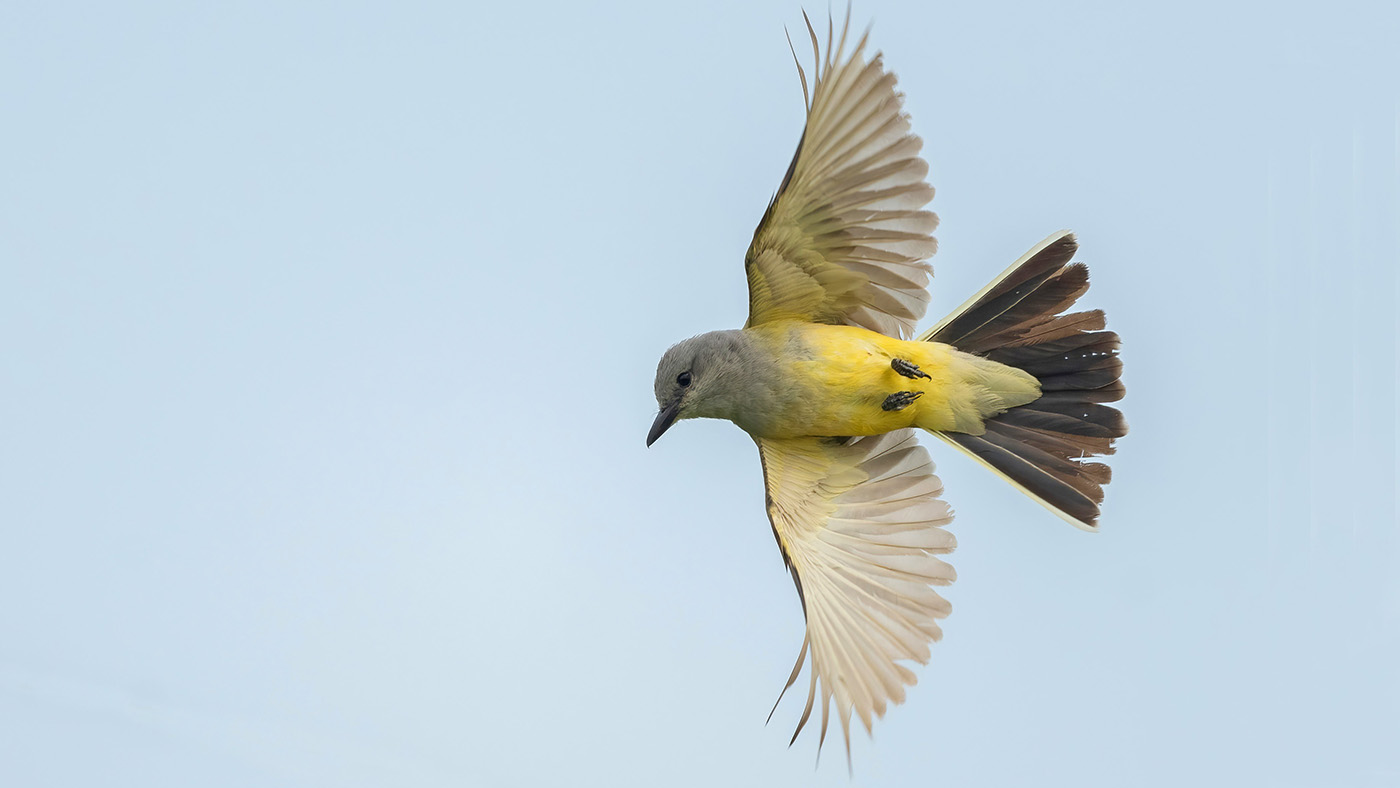 Western Kingbird Tyrannus verticalis, Melita, Canada, 16 July 2024 (Eduard Sangster)
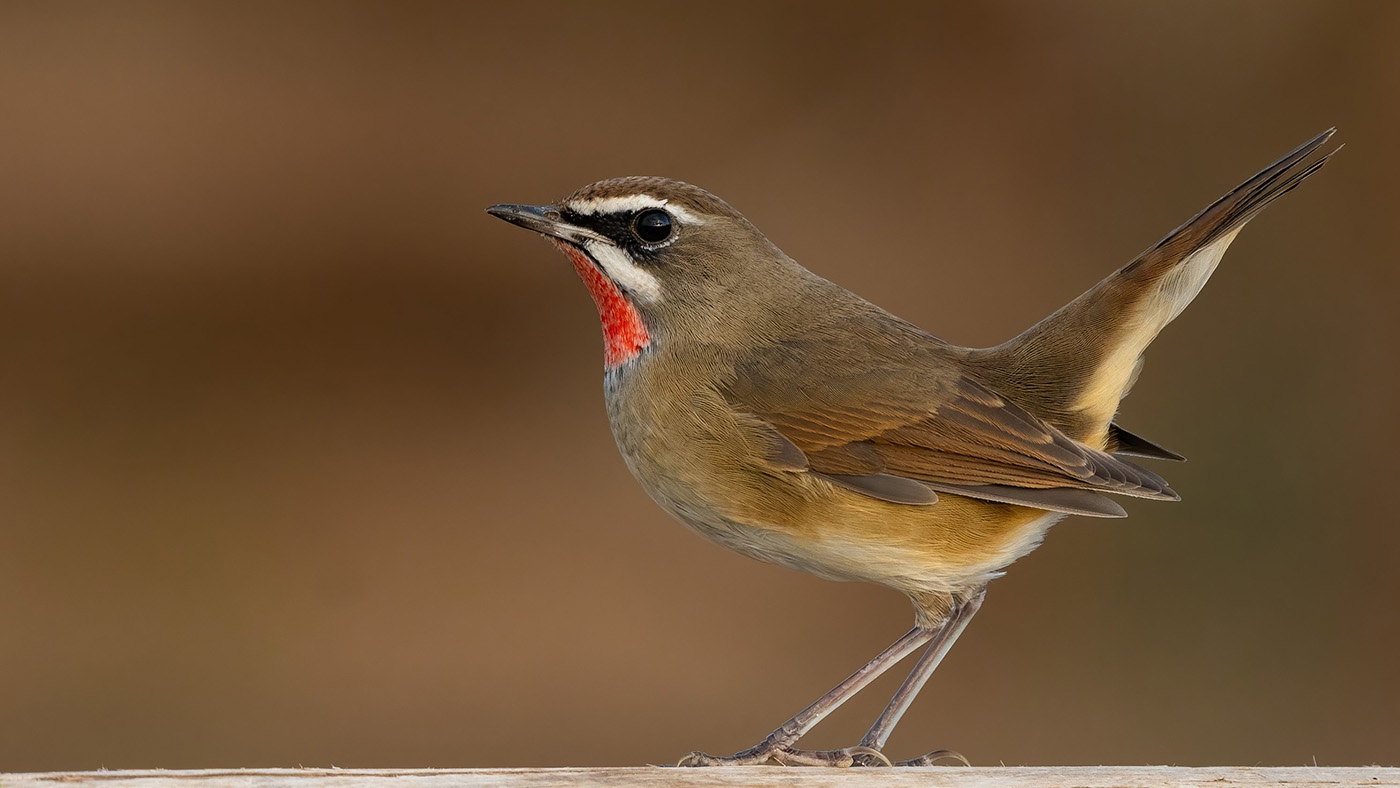 Siberian Rubythroat Calliope calliope, Khalzan, Mongolia, 10 September 2023 (Eduard Sangster)
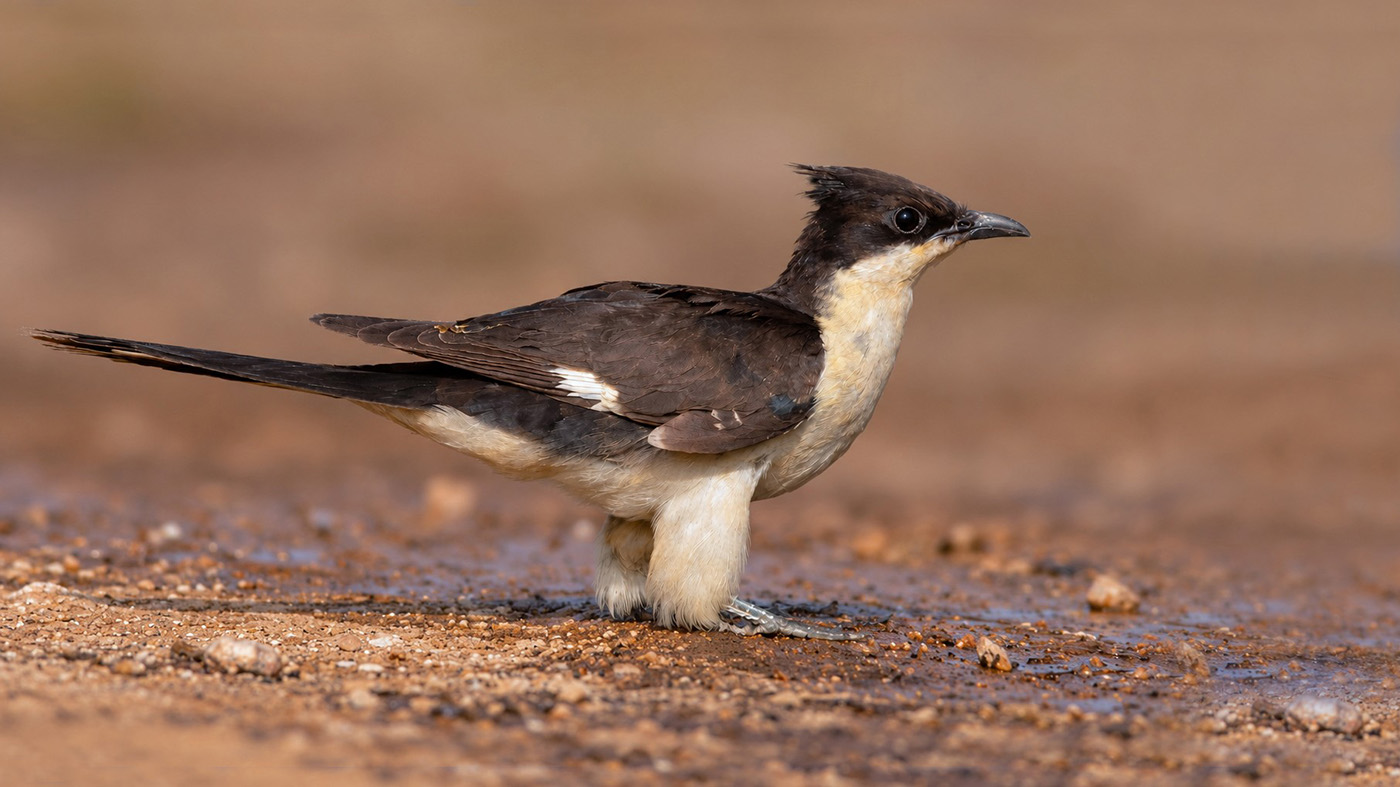 Jacobin Cuckoo Clamator jacobinus, Salalah, Oman, 19 November 2024 (Eduard Sangster)
We would like to thank all observers and photographers for their contributions to this report.
Eduard Sangster & Wim WiegantDiscussie

Wim Wiegant
·
13 oktober 2026 10:44
The authors cannot have enough regards for the two gentlemen Garry Bakker, for checking of facts and language, and Toy Janssen, for the ICT issues...
We wish them each their personal discovery of a new species for the Netherlands...!

Lieven De Temmerman
·
13 oktober 2026 11:16
Inderdaad, Garry Bakker telt voor twee gentlemen! (En Toy doet dat ook goed). Mooi overzicht zo!

Arnoud B van den Berg
·
13 oktober 2026 17:22, gewijzigd 13 oktober 2026 18:22
Nogmaals: mooi kaartje. Onbeduidend klein hoekje van het zuidoosten van Libië zou ook nog geel moeten zijn...
Wim Wiegant
·
13 oktober 2026 18:35, gewijzigd 13 oktober 2026 18:39
Arnoud,
Volgens mij is het dat al, maar is het bijna niet te zien.
Om het te kunnen zien moet je het plaatje downloaden, en dan uitvergroten...
Of bedoel je een ander hoekje...?

Jan Hein van Steenis
·
13 oktober 2026 20:30
Dat hoekje van de Paleractic [sic] is inderdaad al geel.
Wim Wiegant
·
13 oktober 2026 20:49
Ik vind Paleractic wel zo exotisch, maar ik heb het toch maar aangepast...

Simon Feys
·
16 oktober 2026 15:32, gewijzigd 16 oktober 2026 15:38
Heel fijn overzicht alweer! In het bijschrift bij Figuur 1 staat er nog 'viusitred' ipv visited, bij de foto van Madeiran storm petrel moet 'Hydrobated' 'Hydrobates' zijn, en boven de foto van de Brown booby gaat iets mis met een link :-)
Wim Wiegant
·
16 oktober 2026 16:31
Dank je wel voor je reactie, Simon.
Ik heb alles gerepareerd, maar een link naar een website ín een onderschrift (bij de Brown Booby), dat is mogelijk een treetje te hoog voor mij...
Ik hoop dat ik het goed heb gedaan!
Gebruikers van het forum gaan akkoord met de forumregels.